GCUC UK Blog
How to De-Risk Flex Space: what we learned at Brave Ideas x GCUC UK
- Community
- Events
- Industry
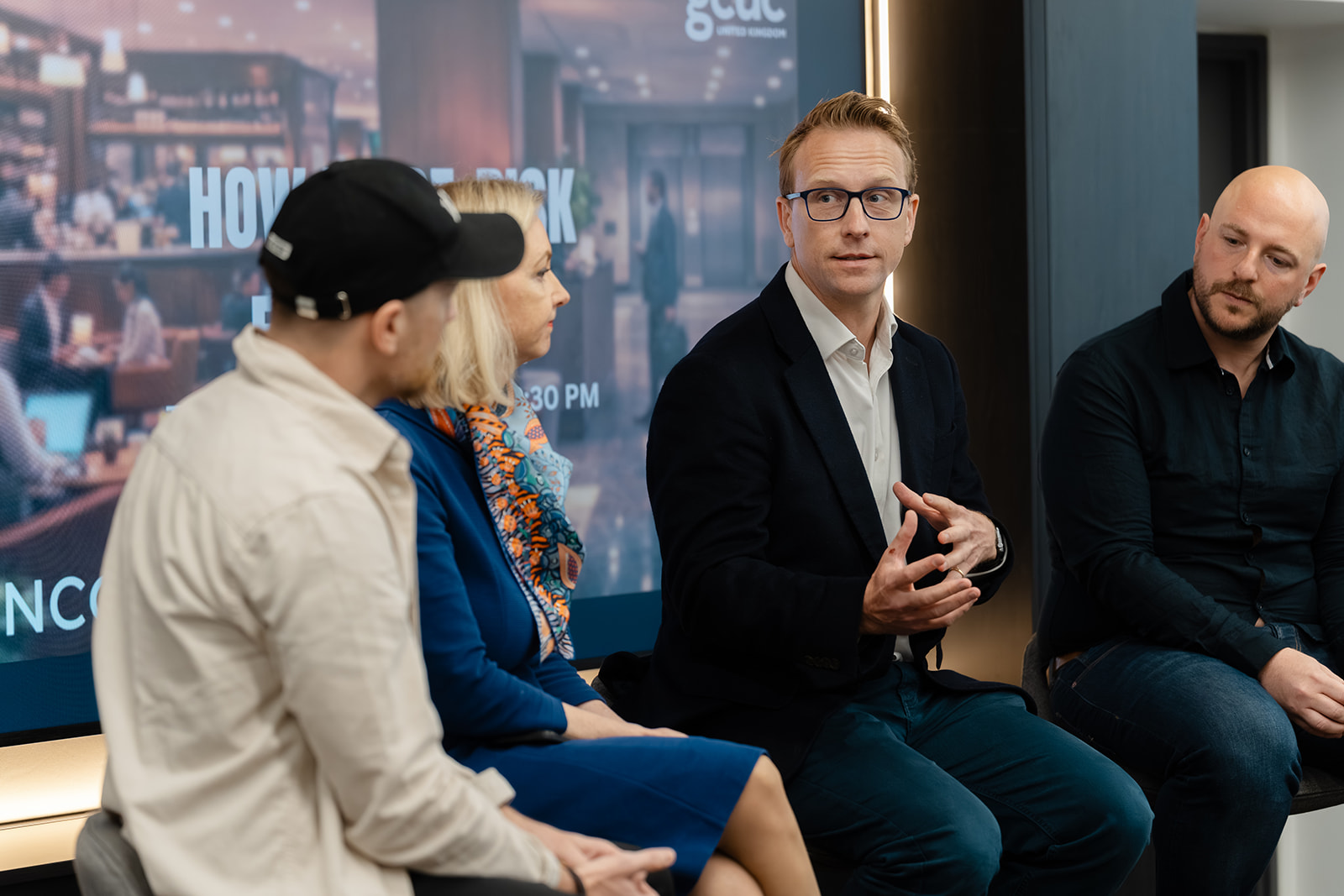
“Talk about the divorce and the marriage at the same time.”
RUPERT DEAN, FOUNDER & CEO, X+WHY
Rupert Dean’s line was the most quoted of the morning, and probably the whole point of the event.
On Thursday, GCUC UK partnered with Brave Ideas to host How to De-Risk Flex Space, a breakfast event at JMW Solicitors in the City, sponsored by NCG & JMW Solicitors. Two panels, a room full of landlords, operators, investors and advisors, and a tube strike that didn’t stop anyone turning up.
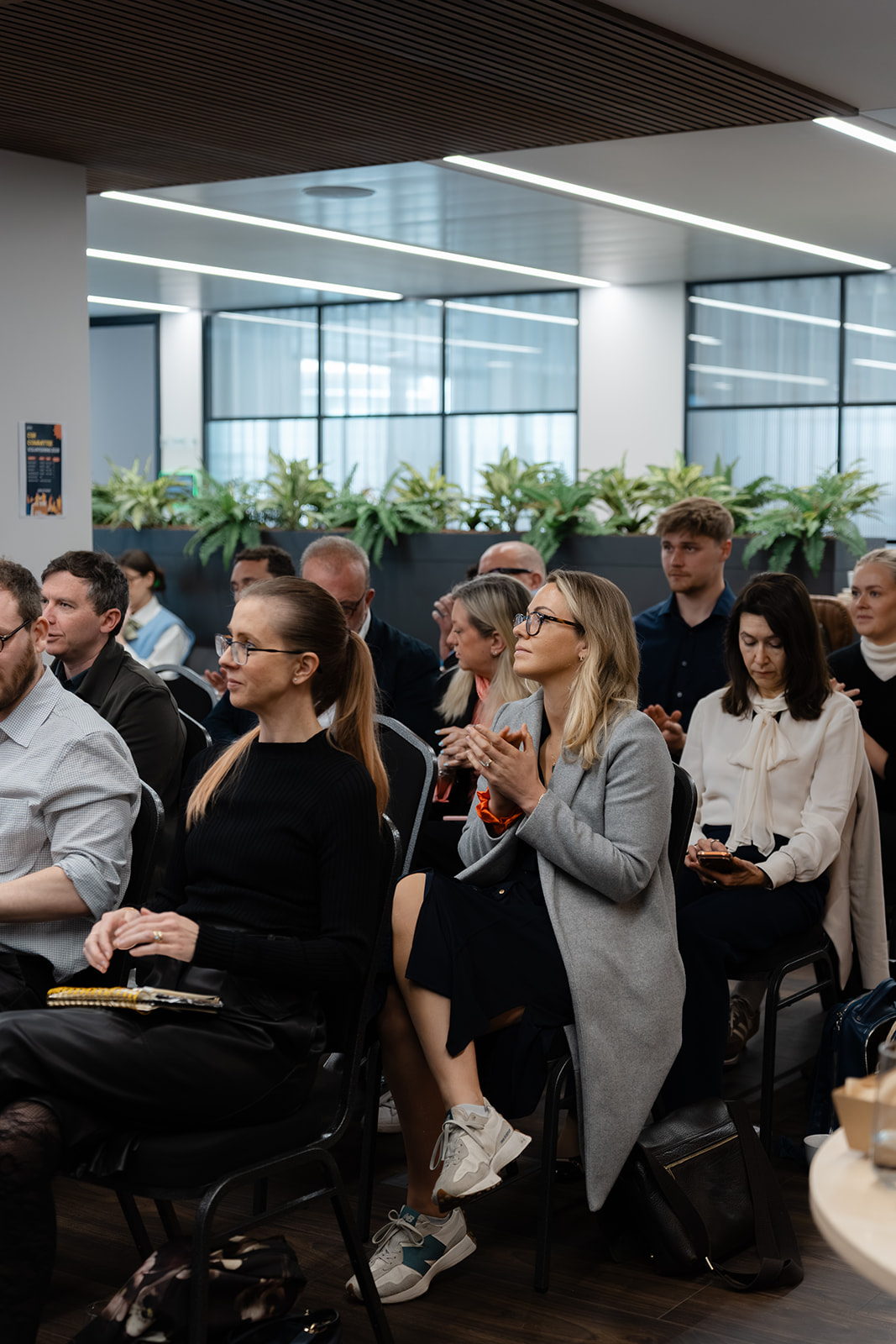
Flex is no longer an experiment. But for landlords, it still carries risk. What happens when an operator underperforms? When a management agreement falls apart? When you inherit a distressed flex space? The conversation across both panels came back to the same underlying question. How do you structure things from day one so you’re never fully exposed?
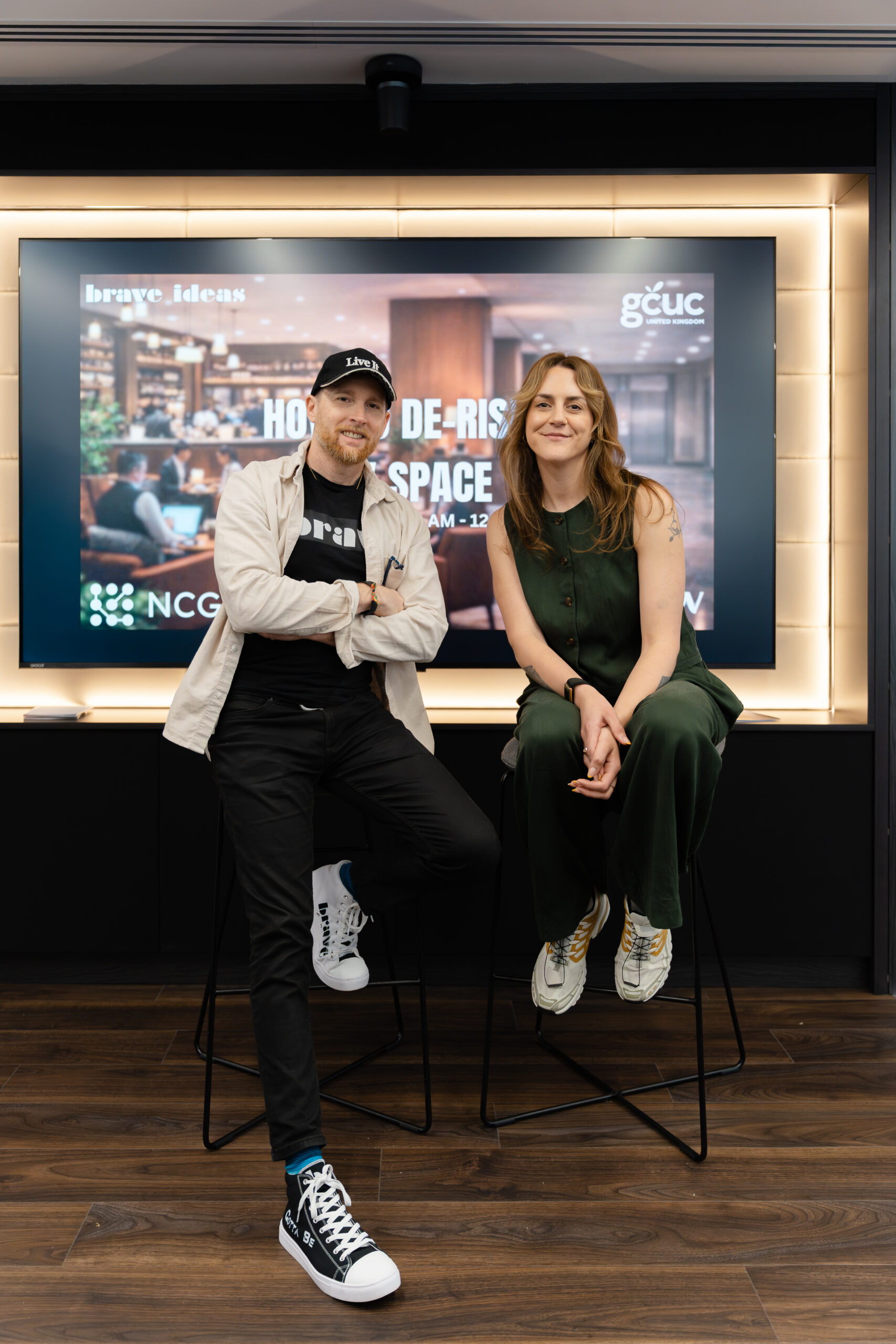
Caleb Parker (Brave Ideas) & Emilie Lashmar (GCUC UK)
Panel 1: the operator view
Moderated by Caleb Parker (Brave Corp), with Lisa Cations (JCR Advisors), Rupert Dean (x+why), David Kaiser (Oneder) and Michael Dubicki (NCG).
Talk about the divorce and the marriage at the same time. Rupert’s line set the tone for the day. Every management agreement takes around two years to negotiate, and every single one needs a plan B built in from the start. It’s not pessimism. It’s what makes the partnership work. If the operator fails, the landlord needs to be able to step in quickly without the asset losing value. If the deal goes well, that same clarity is what keeps everyone accountable.
Full integration is the goal. Flex shouldn’t sit in a corner of the building. The strongest partnerships are the ones where flex shapes amenity, front of house, club spaces and the wider leasing strategy. When it does, the whole asset benefits. Buildings lease faster. Pricing improves. Retention climbs. As Rupert put it, flex operators are often better at selling space than traditional leasing agents because they’re selling a story, not a desk and a chair.
In a takeover, the humans come first. David shared Oneder’s story of taking over a 110,000 sq ft former WeWork in Hoxton with two weeks to prepare. Occupancy went from under 30% at £180 a desk to over 90% averaging £440, with deals over £500. His biggest surprise wasn’t the fit-out, the pricing or the brand. It was the humans. Staff and existing occupiers need to be reassured in the first week. Get that right and everything else becomes possible.
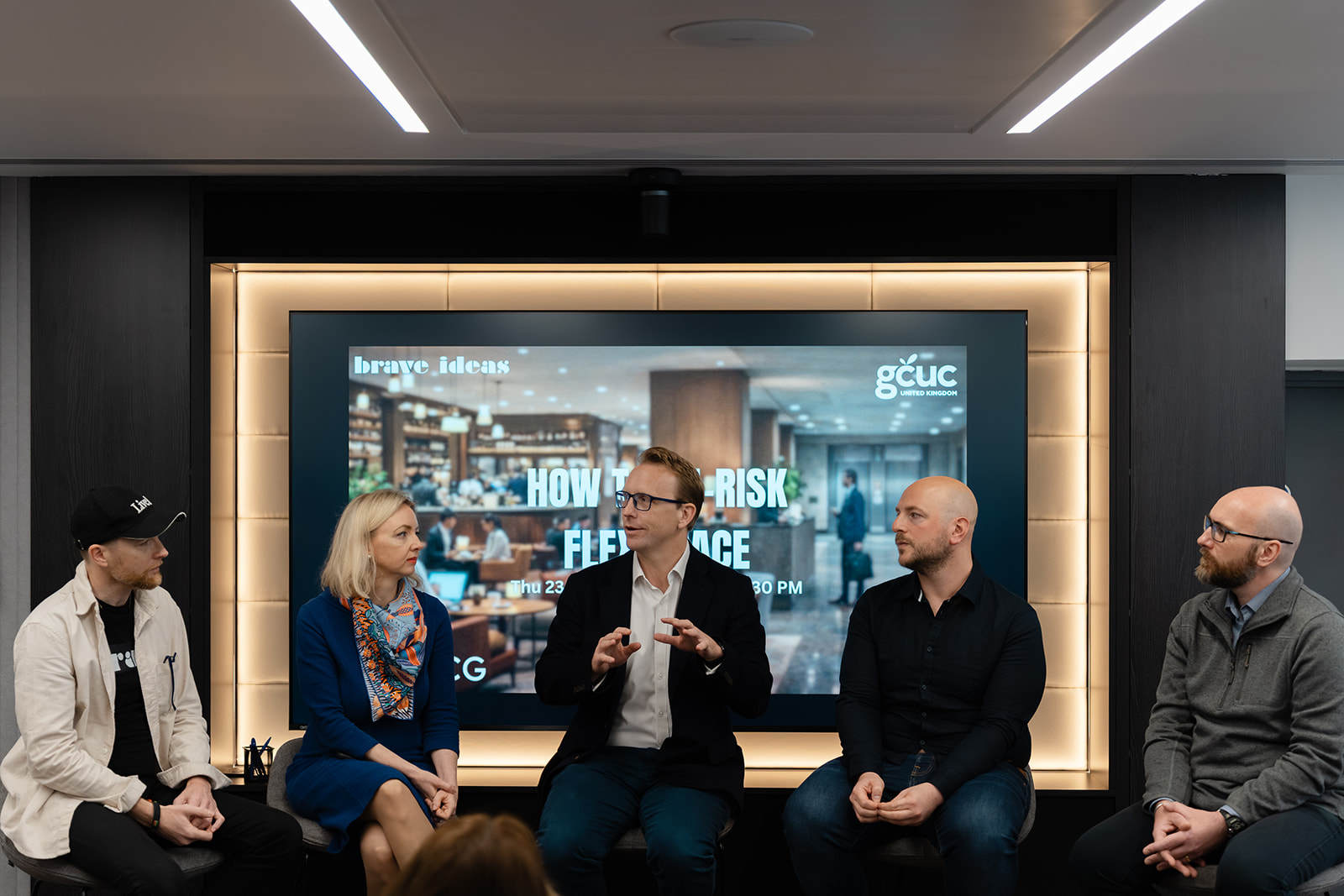
Caleb Parker (Brave Corporation) Lisa Cations MRICS (JCR Advisors), Rupert Dean (x+why), David Kaiser (Oneder) and Michael Dubicki (NCG Global)
Panel 2: the landlord and advisor view
Moderated by Morgan Pierstorff (Newmark), with Thomas Pearson (JMW Solicitors) and Paul Smith (Barings).
Flex supports the leasing strategy. It doesn’t replace it. Paul’s example from Manchester said it plainly. 30,000 sq ft of flex in a 180,000 sq ft building on St Peter’s Square helped lease every other floor. The building opposite went 100% flex and was refused flat by the investment market. It’s now being repositioned. Flex is a lever, not a saviour, and the landlords getting the most out of it are the ones using it to support the wider asset, not rescue it.
Transparency and the right to audit, written in from day one. Paul was clear on what good reporting looks like. Monthly or quarterly accounts. Tenant lists. Deal structures. Incentive packages. Real visibility, not summaries. Cost leakage is real, and the landlords who can see the whole picture are the ones who can step in before a problem becomes a crisis. Thomas’s legal framing sat underneath it. 80% of the drafting in these agreements is for the moment things go wrong. Break clauses. Step-in rights. Performance thresholds. The prenup that protects the marriage.
Managed is having a moment. Valuers favour it. The yield impact is closer to 50 basis points versus 200 for traditional flex. Landlords can fund the cap ex, operators run the space on top, and everyone gets closer to a genuine win-win. Expect to see a lot more of it in the next 18 months.
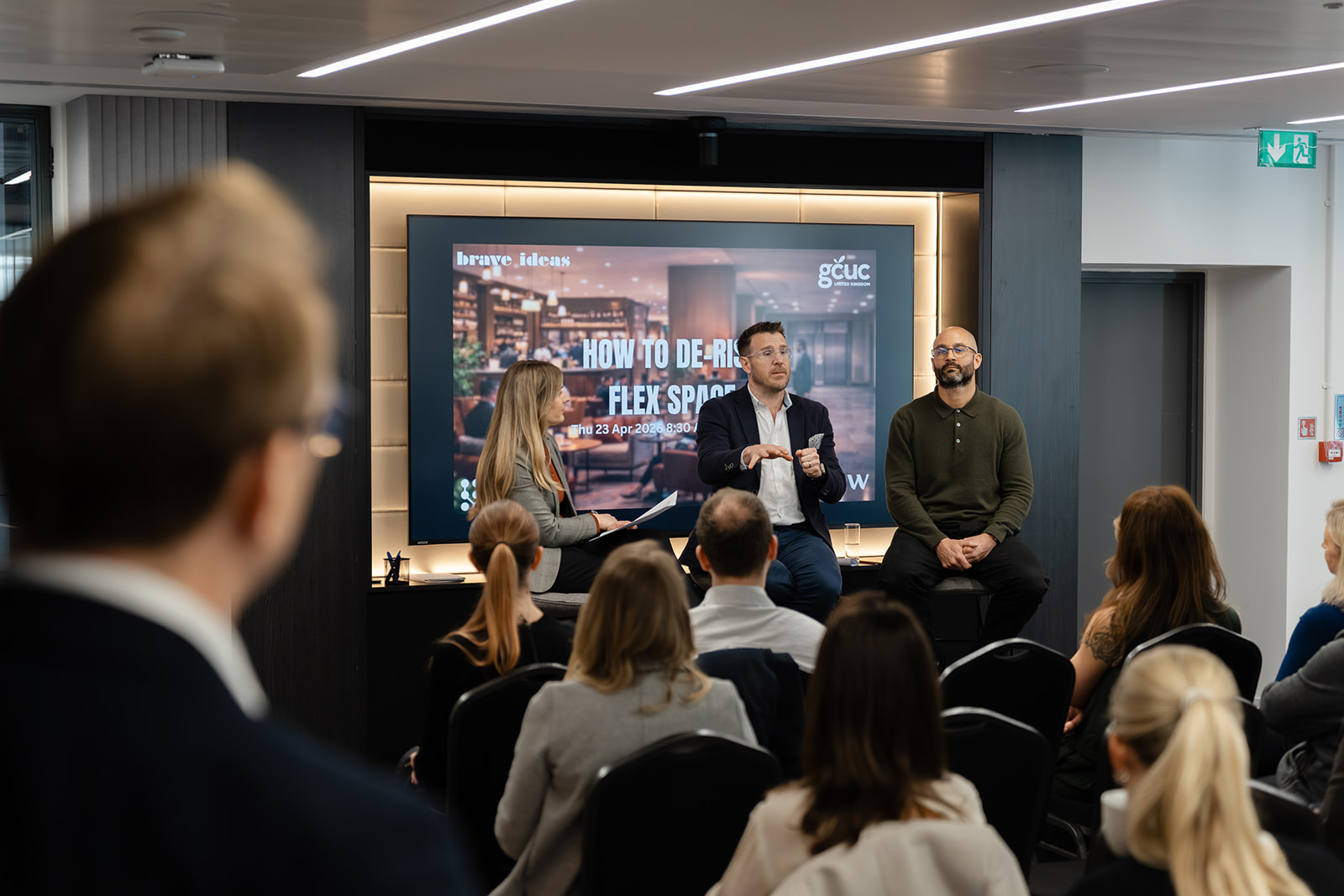
Morgan Pierstorff (Newmark), with Thomas Pearson (JMW Solicitors) and Paul Smith (Barings)
The through-line
Both panels landed in the same place from different sides of the table. Integration beats bolt-on. Transparency beats hope. And planning for what happens next is what makes everything else possible.
Huge thanks to JMW Solicitors and NCG for sponsoring, to Caleb, Lisa, Rupert, David, Michael, Morgan, Thomas and Paul for showing up with such generosity and candour, and to everyone who braved the tube strikes to be in the room.
If you want to carry this conversation on, Brave Ideas is heading to Manchester on 19 May for Hack the New Office Product for Hybrid Companies, a curated operator-led working session at Media City.
GCUC UK is back with Manchester on 4-5 June and London on 8-9 October.