GCUC UK Blog
The Open Room: A closer look at what the UK coworking industry thinks
- Coworking
- Events
- GCUC London
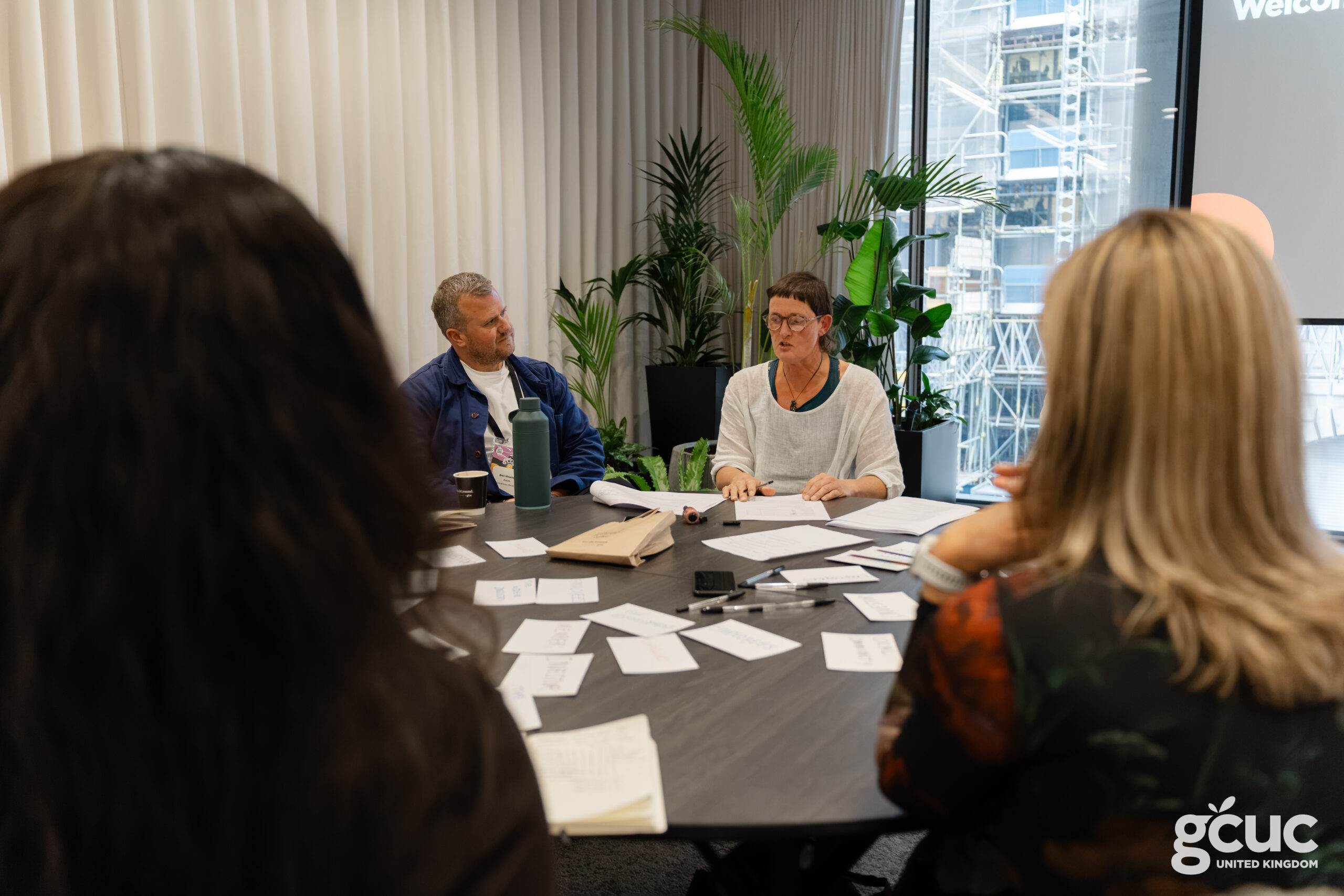
“The rule of good conversation is two ears, one mouth.” That was the ground rule set at the start of a roundtable at GCUC UK 2026.
The Open Room was hosted by executive coach Claire Carpenter of Claire Carpenter Coaching, who is also the founder of The Melting Pot, Scotland’s centre for social innovation. She was joined by Emilie Lashmar, Director & Producer of GCUC UK and Creative Director of TOGETHER. The session gave industry professionals a relaxed, collaborative space to share honest views about the industry.
Throughout the day, industry professionals shared knowledge, experience and insights about coworking. The roundtable explored how those in the room see the sector, with a focus on the collective story of coworking.
Different perspectives, one purpose
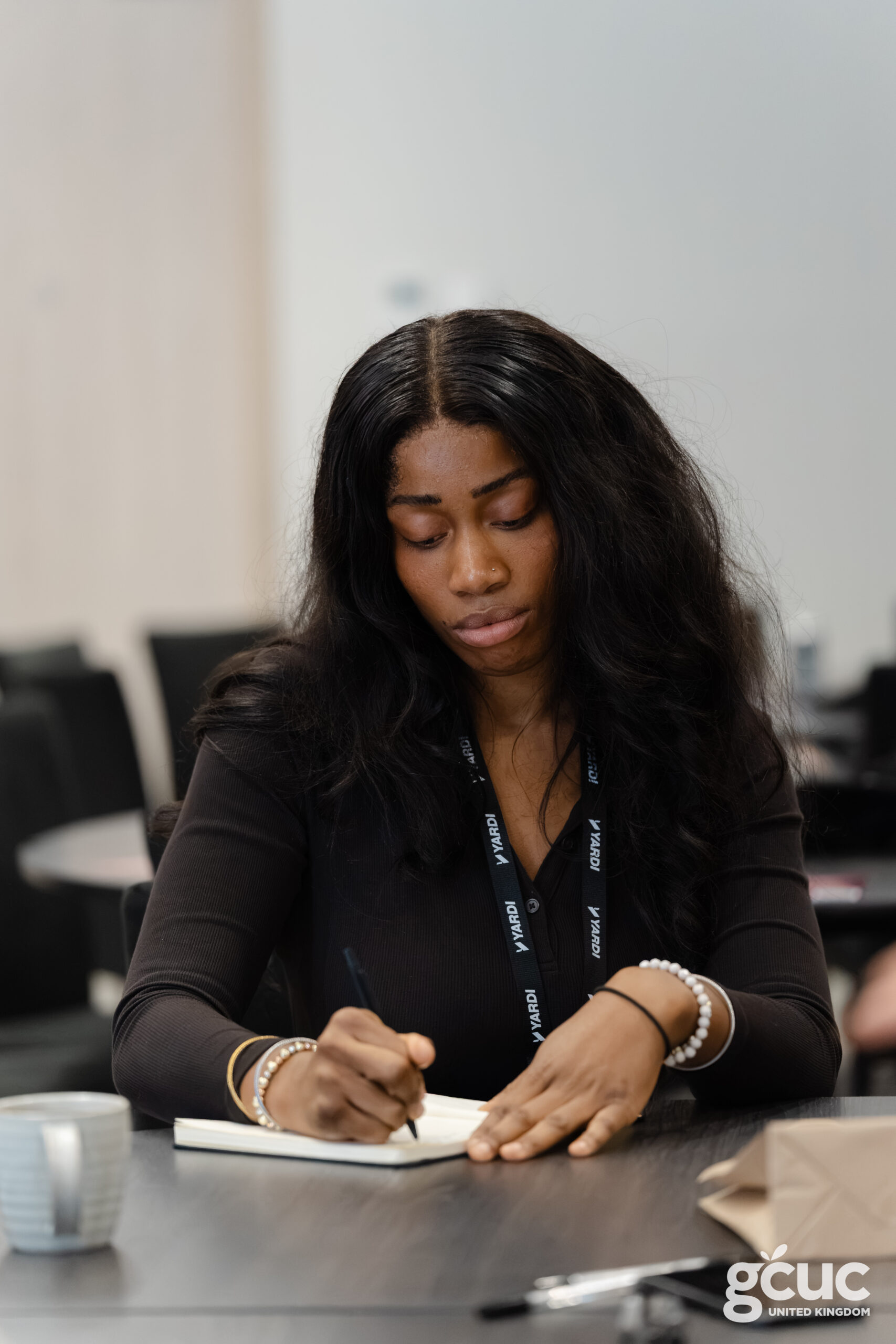
The roundtable brought together professionals with varying levels of experience in coworking to discuss who they believed mattered most in the industry.
Around the table were operators, a landlord-side portfolio manager, technology and connectivity providers, consultants and newcomers. Experience ranged from a few weeks to a decade or more in the industry. The smaller group created space for a focused discussion.
The coworking story
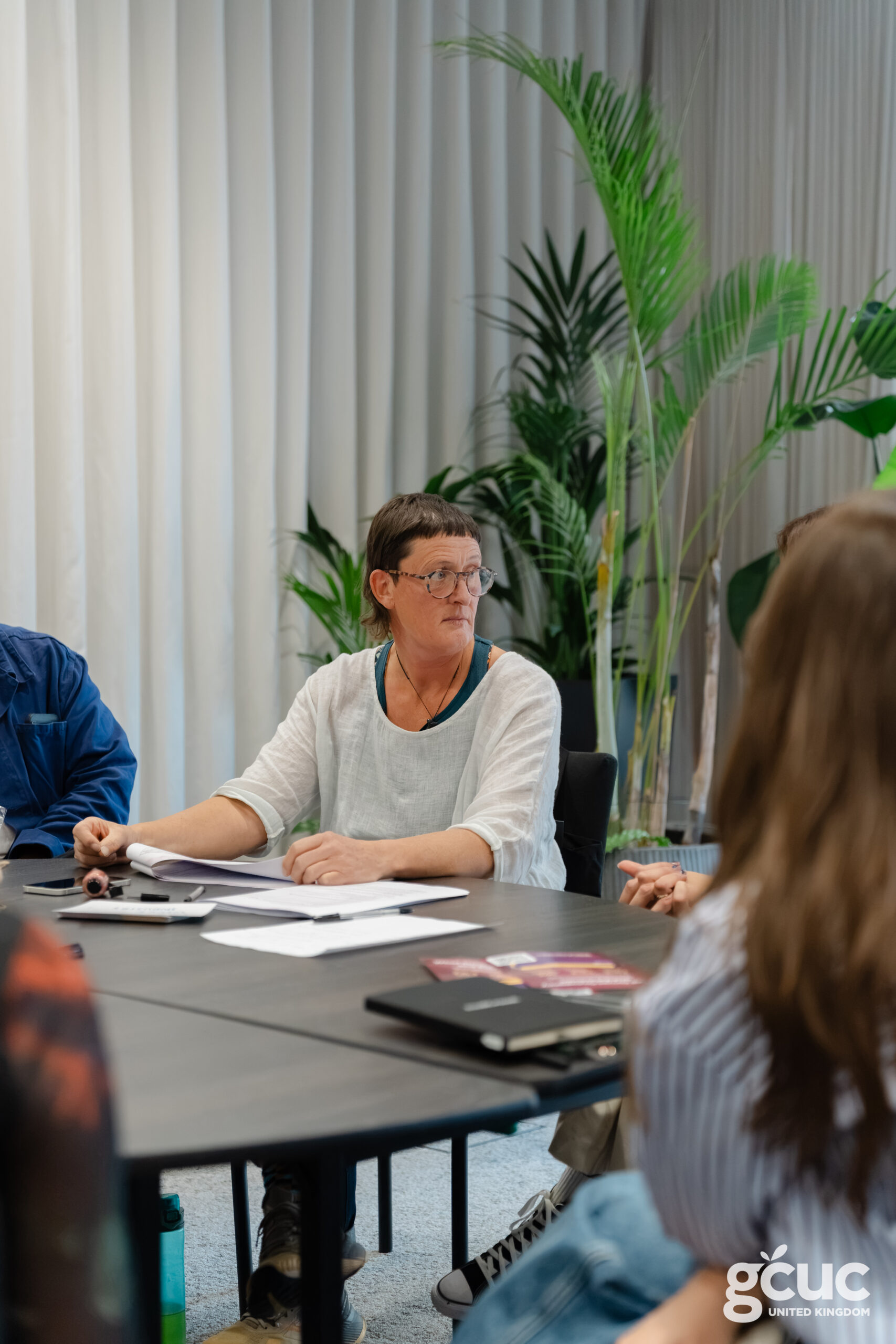
As Adam Penny, CEO of The Beautiful Truth, mentioned at the 2026 GCUC UK conference, every business needs a story that connects its purpose with its customers. While debate about the coworking industry’s collective story continues, it is important for businesses in the sector to take ownership of how they define themselves.
The group revisited four of the story plots from Adam’s talk and how they fit the industry:
- Overcoming the monster: The loneliness epidemic, social fragmentation, the rise of AI and the jobs it may replace, and the need to commute.
- Rise to greatness: Coworking was once a relatively unfamiliar concept. Today, it influences how workplaces and hospitality experiences are designed and delivered. It also covers diversification into co-living, co-warehousing and niche audiences.
- The Quest: Business models that support local working, reduce commuting, drive enterprise and fill empty buildings in a landscape where work-life balance has been redefined.
- Rebirth: Flexible working accelerated during COVID-19, reflecting changes in consumer preferences and in where, when and how people worked.
Emilie Lashmar said that the Quest narrative reflected her own experience of meeting operators. She described her inspiration for starting GCUC UK as being like following the “yellow brick road”.
The discussion highlighted the sector’s resilience and opportunities for growth.
The current landscape of coworking
With the rise of AI, human connection presents an opportunity for coworking operators. This is a proposition explored by operators such as Elliott Sparsis at TOGETHER, where human interaction is integrated into the coworking model. It also raises an interesting investment question: could coworking appeal to investors seeking opportunities beyond AI-focused assets?
As working patterns continue to evolve, the challenge for operators and industry professionals is to communicate the sector’s value consistently to members, landlords and investors.
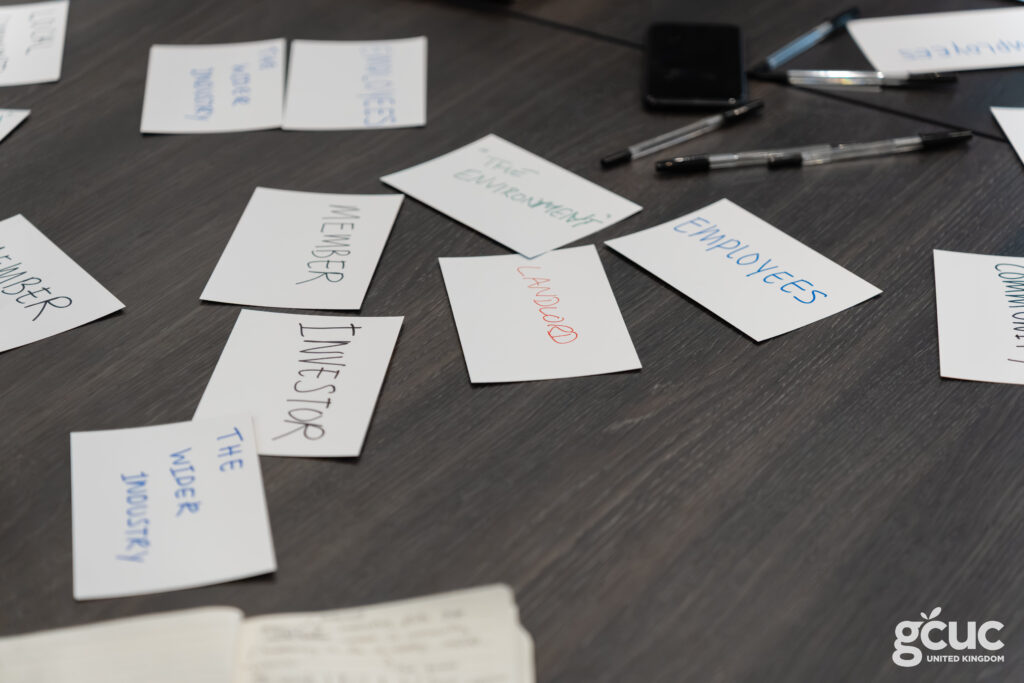
Who matters most? The stakeholder exercise
Attendees were asked to think about their own business, not the wider industry, and name their top three stakeholders and why. Some clear patterns emerged:
- Members or customers came first for several attendees. The reasoning was simple: without members there is no business, and strong occupancy is essential.
- Employees were a frequent first or second choice. They were seen as the ones who deliver the service and keep members happy. Attendees felt the real USP can be the people in the space, not just the location, and that happy employees help tell the company’s story consistently.
- Landlords were most often third. They matter, but several felt that getting the first two right is the proof of concept that keeps landlords on side.
- Community, the wider industry and the environment also featured, each topping the list for some attendees. One put the point simply: without the planet there is no business.
Where do investors fit?
Investors featured less prominently in the initial rankings, prompting further discussion. Some attendees suggested that prioritising the community, members and employees could help strengthen the case for landlords and investors to support a business.
Participants noted that funders underpin many of these businesses and continue to invest in the sector. The group talked about flipping the usual organisational chart, which puts investors on top, though others said it depends on the type of investor and relationship.
The discussion also touched on the difficulty of defining “the environment”, given the breadth of the natural systems on which businesses depend. The shared message was that every stakeholder has a role to play, and the industry needs all of them.
Fresh eyes on the industry
Newcomers brought a different perspective. Those who had been in the coworking industry for only weeks or months described an entry-level environment in which customer scrutiny was high. They also identified meeting members face to face as the most rewarding part of their work and expressed enthusiasm about building partnerships.
Three main takeaways
- Defining the coworking story: The group explored the industry through four narrative plots: Overcoming the Monster, Rise to Greatness, The Quest and Rebirth. Each business needs to consider how it tells its own story.
- Most important stakeholders: Members were the leading priority for several attendees, with employees close behind as the people who deliver the experience.
- Building support from landlords and investors: Some attendees suggested that prioritising members and employees could help secure the support of landlords and investors, although this depends on the business model and the relationships involved.
Why these discussions matter
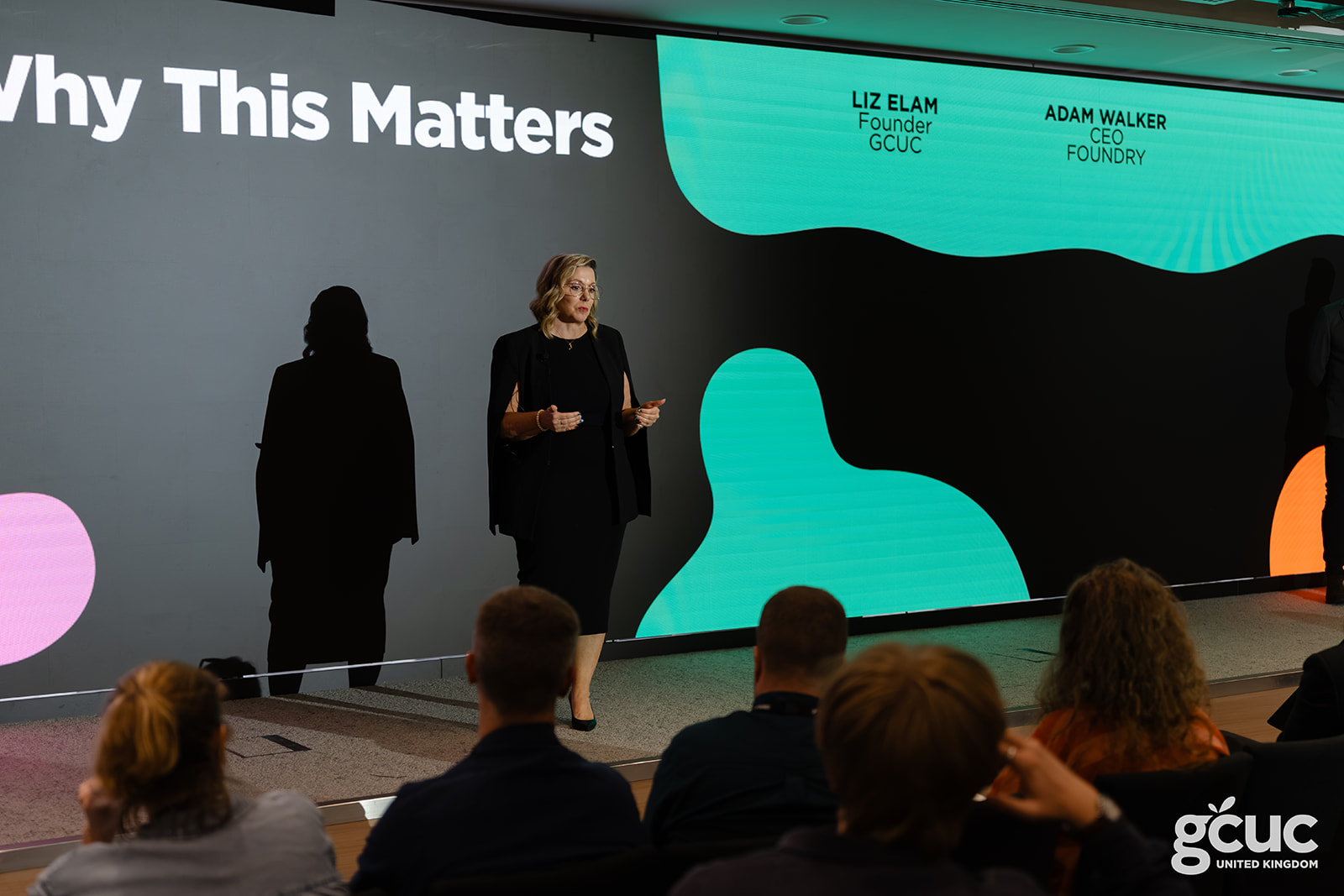
Conversations like these help strengthen an industry built on collaboration. Making space for different perspectives is part of bringing people together. As Liz Elam put it, “Coworking is supposed to bring us together.”
A big thank you to Grace Olorunshola from The Land Collective,
who volunteered with us at GCUC UK and wrote this piece.