GCUC UK Blog
Meet our MC for GCUC UK Manchester: James Panepinto
- GCUC Manchester
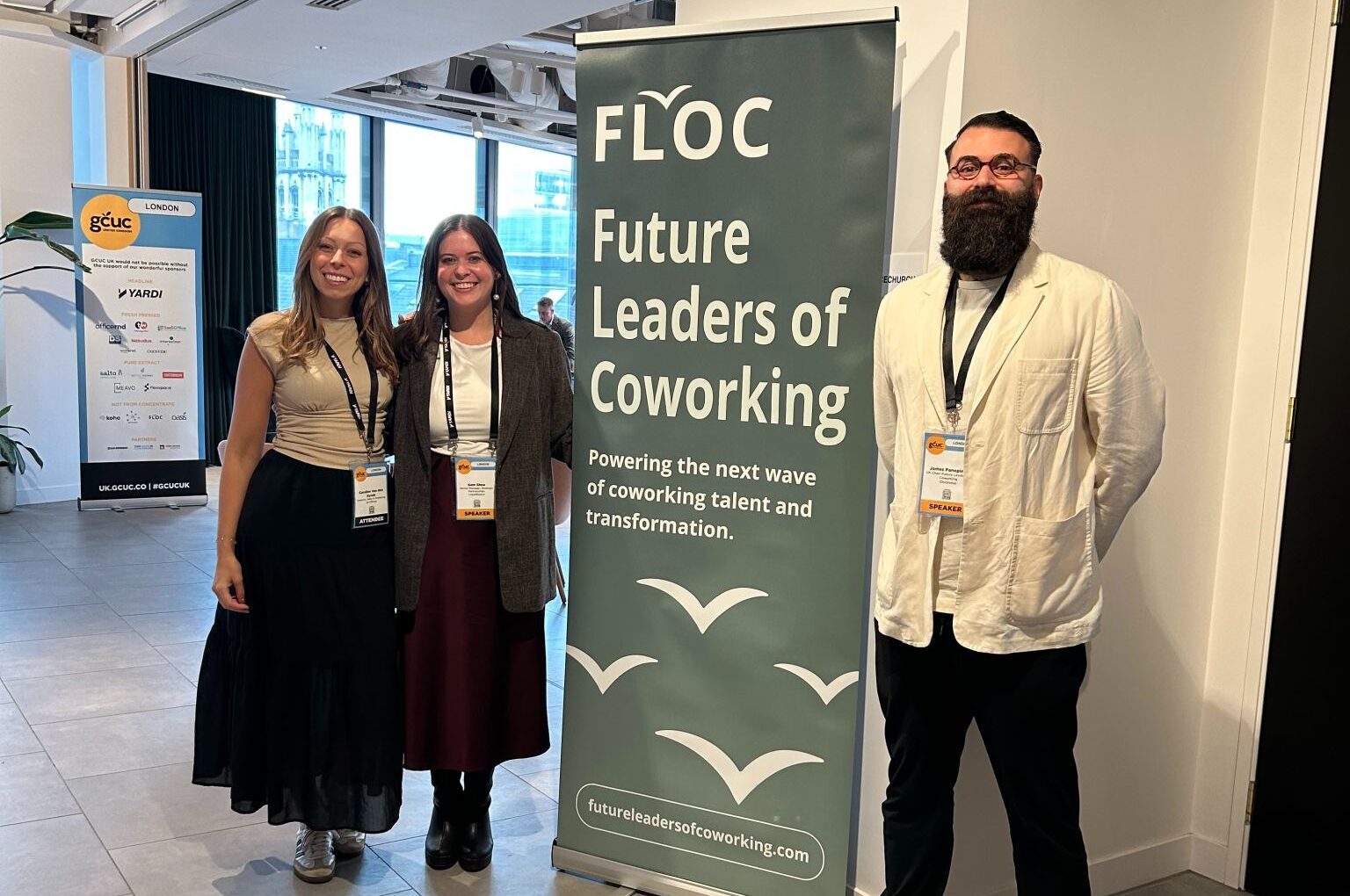
James Panepinto is a coworking operator and FLOC UK lead. Sharp, straight-talking, and deeply invested in where this industry is going, he has spent years on the operational floor, and is one of the loudest voices pushing coworking to take its own talent seriously. This June, he’s bringing that energy to GCUC UK Manchester as our MC. We caught up with him ahead of the event.

What does hospitality understand about people that the coworking industry could learn from?
Hospitality has spent centuries obsessing over something coworking largely ignores: the emotional arc of an experience. Not just “does the space work?” but “how did it feel to be here?”
Saturday night, full restaurant, middle of service. The room has a temperature to it that has nothing to do with the thermostat. The lighting has shifted since six o’clock. The music has too. Someone, somewhere, decided that this hour feels different to that one, and built it accordingly. People are loud and leaning in and ordering another bottle. None of that happened by accident. It was designed, obsessed over, argued about. The experience is the product. It always was.
Now picture Monday morning in a coworking space. Clean. Calm. Nicely done, probably. Someone walks in, taps their fob, finds a desk, puts their headphones on. Functional. But there’s no temperature to the room. No sense that anyone thought about this hour versus that one, or about this person versus the last one through the door. Because nobody did.
The industry built beautiful spaces and confused that for the finish line. Got very good at the infrastructure, the aesthetic, the pitch deck version of community. Treated the human side as soft, secondary, hard to measure and therefore easy to defer. And when people leave, it’s not because something went wrong, but because they were never anchored to the place. It was never theirs. It was always yours.
Hospitality creates attachment. Coworking often just provides access.
Tell us about how FLOC came to the UK, and why it matters.
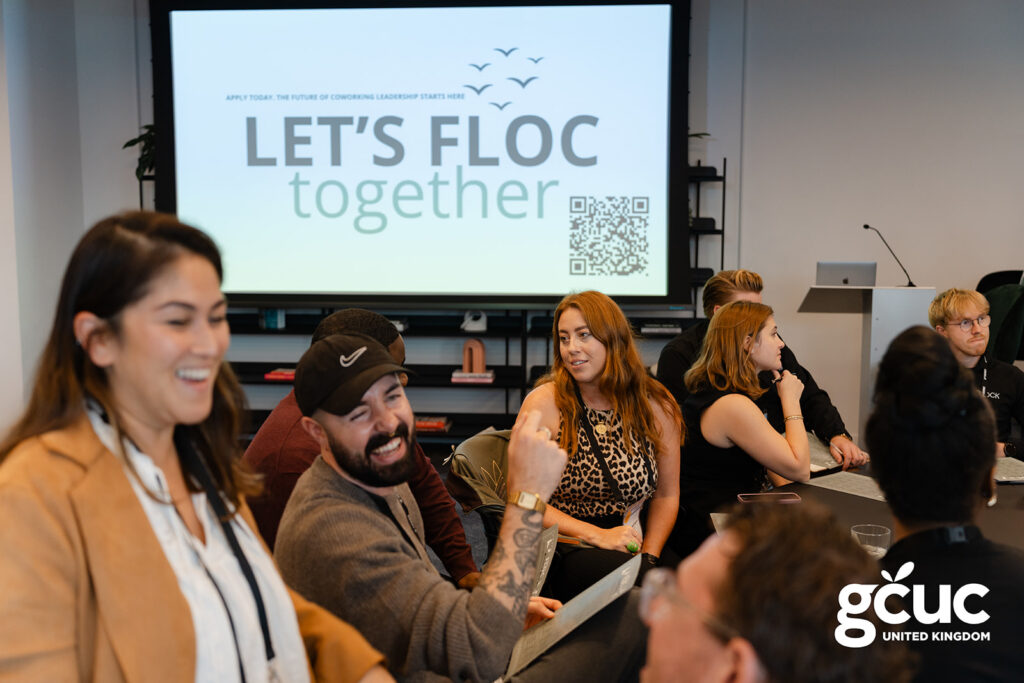
I got involved with FLOC because I believe in what it’s for. The industry is at an inflection point and I had no interest in standing at the back watching other people shape it while I queued politely for my turn.
I believe in where coworking is going. I want to build things inside it, push it forward, be in the room where the standard gets set. And I want to be surrounded by people who feel the same way, who aren’t just doing a job but are invested in the thing itself.
The community managers, the CSMs, the events coordinators who are two or three years in and genuinely good at what they do – they’re often professionally invisible. Little structured development, no peer network, no real line of sight to what a career in this industry actually looks. And when a senior position opens up, the industry’s default is to hire from outside. The talent that’s been in the building the whole time gets skipped. Not out of malice. Just because nobody built the ladder.
FLOC is the corrective to that. And bringing it to the UK felt like the right moment – this market is one of the best in the world, the talent coming through it now will shape what it looks like in a decade. Getting that cohort connected, developed, and taken seriously felt worth showing up for.

What does the next generation of coworking leaders look like if FLOC has its way?
For a long time, coworking has been a sink or swim industry. You learned by doing, under pressure, and if you had the instinct for it, you found your way through. That produced some exceptional people, but it also meant progression often felt narrow.
When I was a General Manager, I was always very open about the fact that I did not want to be a Regional Manager. Not because I lacked ambition, but because I could not see that as my only version of progress. I knew I wanted to keep growing, keep sharpening, keep getting better, but I did not want to just follow the default ladder because it was there.
That, to me, is why FLOC matters. It creates space for the people who are serious about this industry, but do not want their future reduced to one obvious next title. It is for people asking what comes next if I want to lead, shape, influence and push the industry forward.
You’ve said that the room is the real product, not the desk. What does that mean for operators?
What I meant is that people do not really pay for the object. They pay for the feeling around it.
You don’t go to a gig for the music. A Casio tells the time the same as a Patek Philippe . And nobody is paying £12 for a croissant and a flat white because flour, butter and coƯee suddenly got more valuable than they are at Costa. They are paying for how that place makes them feel while they are buying it, sitting in it, being seen in it.
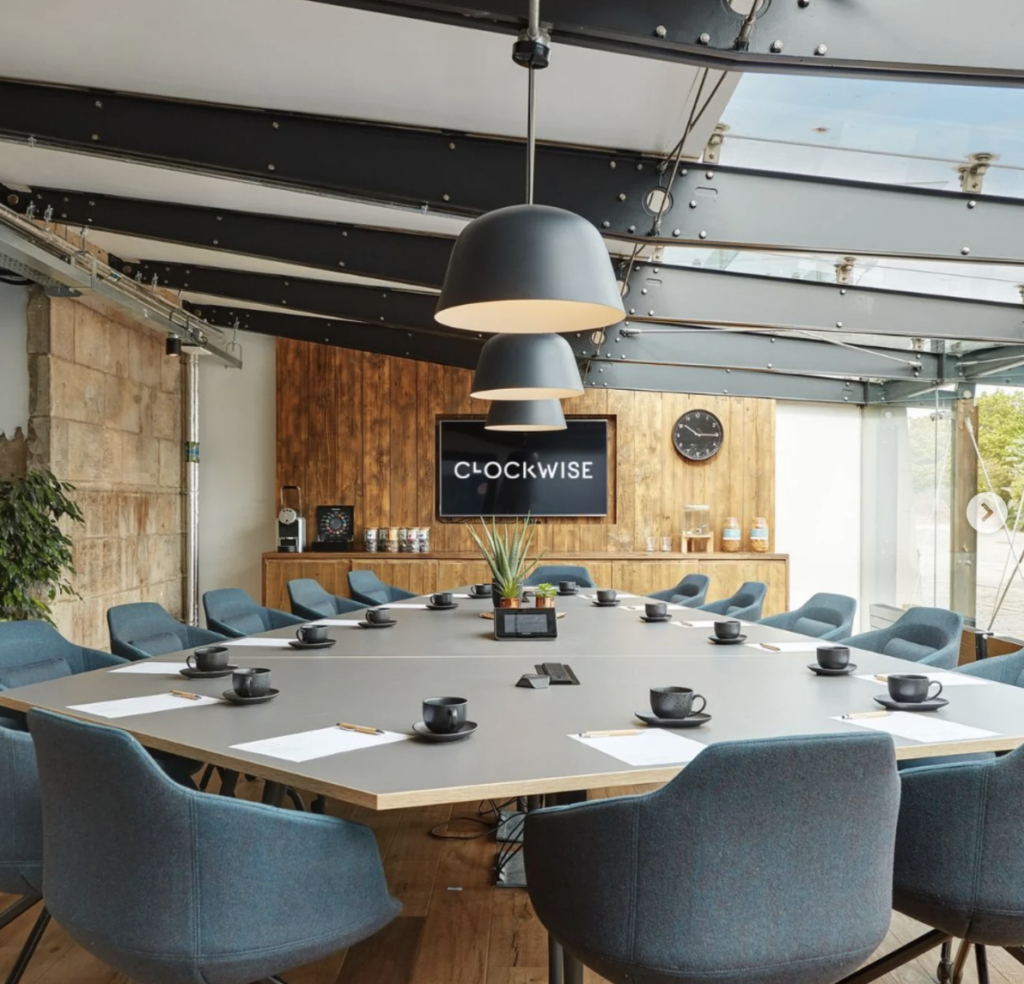
Coworking is the same. A desk is just somewhere to put your laptop. Useful, utilitarian, completely unromantic. The second you define the product as the desk, you hand the whole conversation over to price. Then it is just a cost exercise. Who can squeeze more in, charge less, throw in the extras, make the numbers look nice and neat on a sheet. But that is not a premium product, that is a spreadsheet.
The value is in the room. In the energy of it. The confidence it gives people. The sense that they can think better there, host better there, be better there. That is what operators should be building. Not rows of desks, but rooms that make people feel something.
Nobody pays extra for furniture. They pay extra for what it does to them.
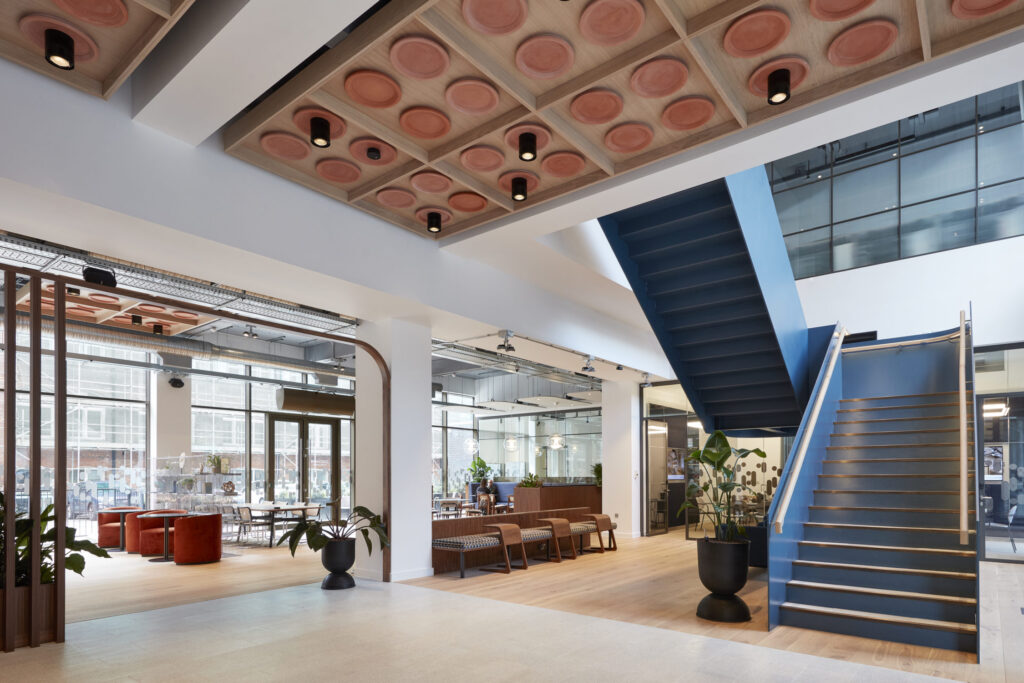
Manchester’s coworking and flex scene is booming right now. What’s driving it?
I think part of it is that the days of Manc-washing are over. You cannot just stick a bee on the wall, throw up a Joy Division quote and call it a Manchester workspace.
Manchester has too much about it for that. It knows what it is now. It is not a regional imitation of London, and it is not trying to borrow credibility from it either. There is real confidence here, real taste, real standards, and that changes what people expect from a space. They want product with some guts. Something rooted in the city rather than themed around it.
The other reason is that Manchester has reached that point where all the right things are stacking on top of each other. More serious businesses here, more talent staying here, more people building careers here, more reasons to be in the city centre, more companies that still want people together but do not want to get locked into the wrong thing. That plays straight into flex.
Then on top of that, the product has got better. Operators have had to raise the bar. People are less willing to pay for generic space now, so the offer has sharpened. That makes the whole market feel more alive.
So for me, it is a mix of maturity and expectation. Manchester is booming because the city has grown into itself, and the workspace market has had to grow up with it.
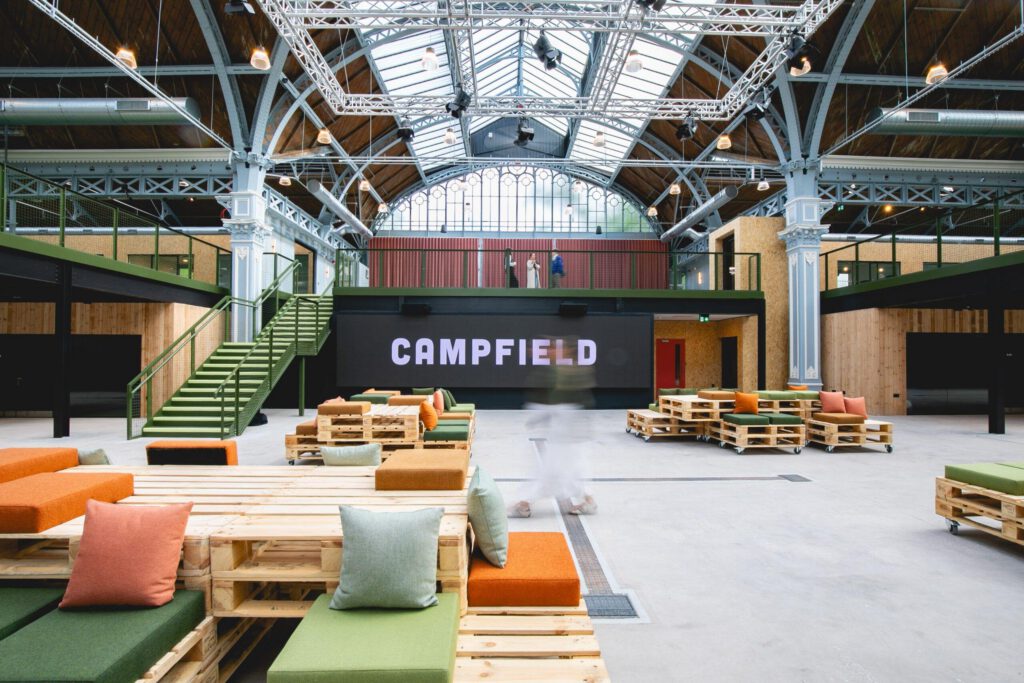
You’re MC-ing GCUC UK Manchester this June. Tell us what you’re most looking forward to?
Yeah, honestly, the people.
GCUC is one of the few times you get so many different sides of the industry in one place and, if it is a good room, the best bits are usually in between everything. The chats before it starts, the conversations straight after a session, the people you meant to speak to six months ago and finally do.
So yes, I am looking forward to being on stage, but more than that I am looking forward to the mix of people in Manchester, and the conversations that only really happen when everyone is in the same place for a day or two. That is where the good stuff is.
If someone’s on the fence about attending, what would you say to them?
I’ve been to some terrible industry events. I think we all have. Same names, same panels, same quarter zips and gilets, everyone pretending to have a great time and nobody leaving with anything they could actually use. Rooms full of vague opinions, bad coffee and panels that are glorified product plugs.
Thankfully, GCUC is not that. It is one of the few that actually earns the time. It’s the right mix of people, the conversations are usually a level above the usual surface stuff, and you tend to leave with something real. A better
read on where the market is actually moving. A conversation that stays with you. A better
connection. An idea you use six weeks later.
If you’re on the fence, I’d say come.
Tell us something you love to do outside of coworking
Cooking and eating, easily. I have a mild obsession with pizza, which has become less of a preference and more of a personality trait at this point.
James is MC-ing GCUC UK Manchester 4-5 June 2026. Tickets are available now.