GCUC UK Blog
The Conversations That Don’t Happen on Stage: Inside GCUC UK Workshops
- GCUC Manchester
- Industry
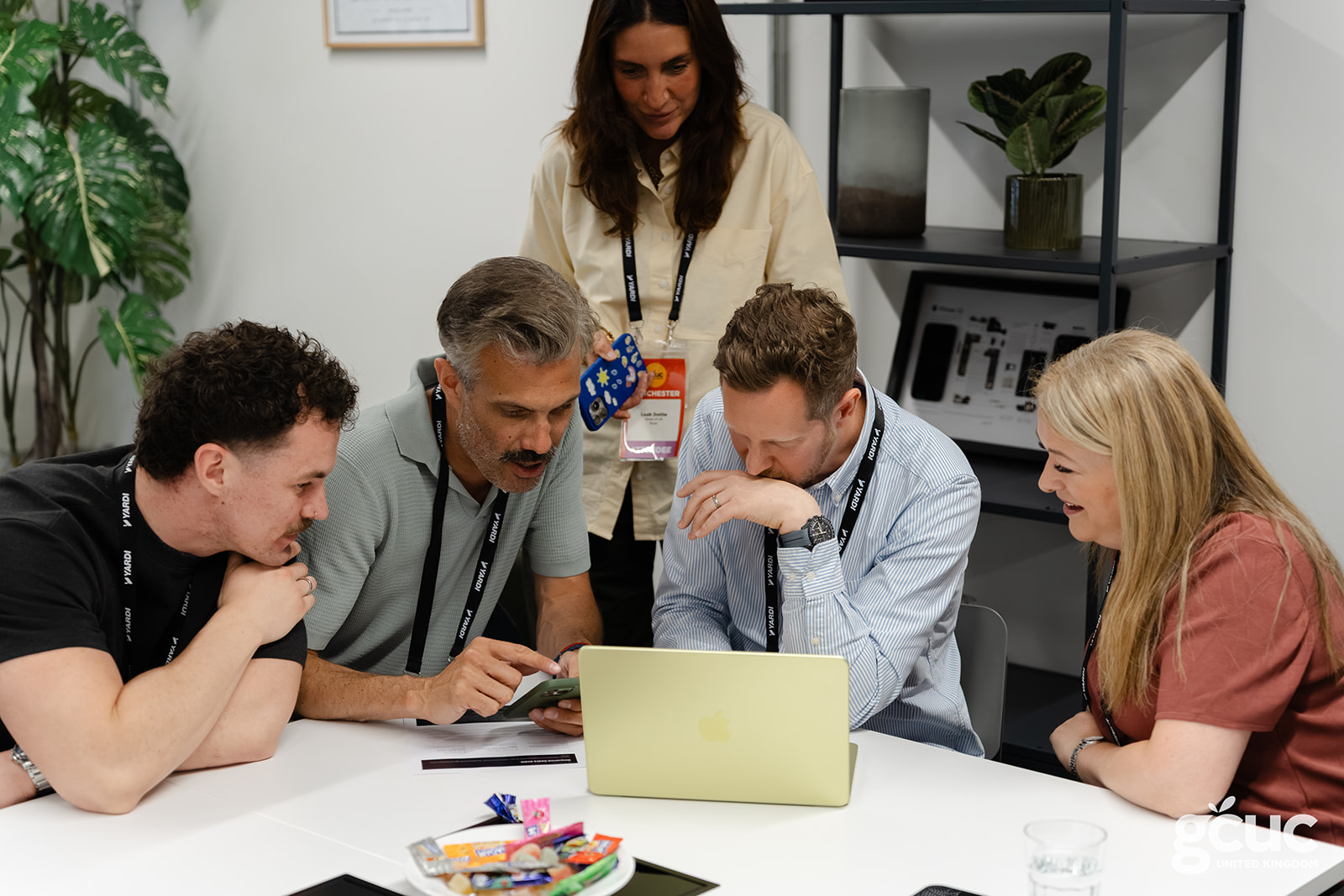
The most valuable takeaways at any industry gathering aren’t always from the main stage. They happen in smaller rooms, where attendees bring their real operational challenges and tangible data, rather than just their polished marketing decks.
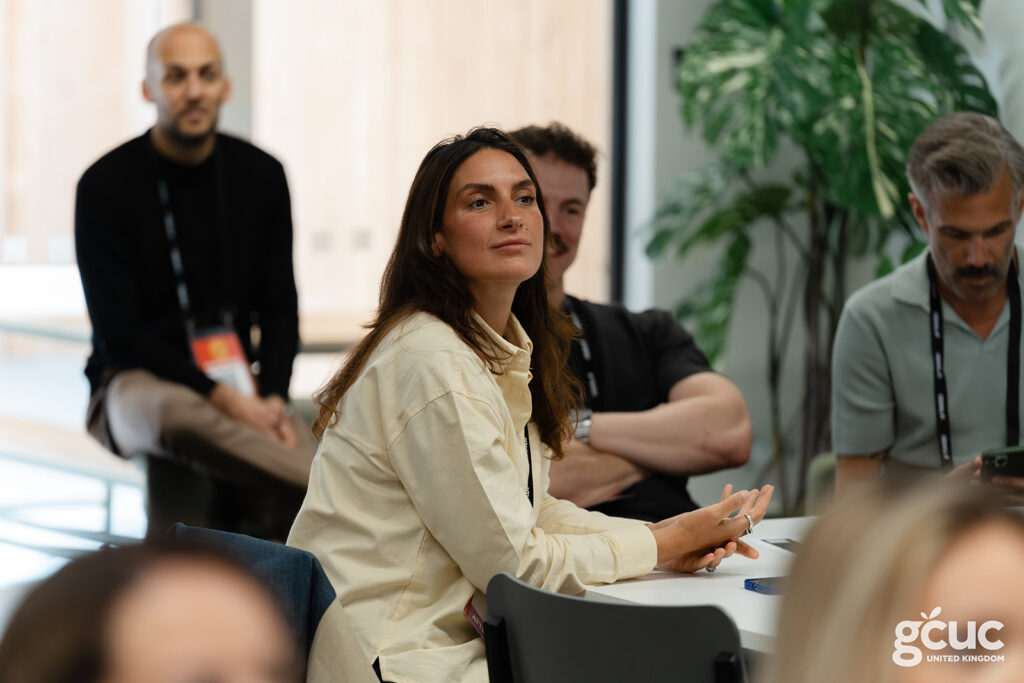
At GCUC UK Manchester, we broke away from traditional presentations into three parallel workshops in Lower Campfield. Built specifically for honest, peer-to-peer dialogue, these sessions tackled three persistent challenges in flexible workspace operations that the sector usually talks around rather than through.
Here is what emerged when operators rolled up their sleeves to examine real data, live P&Ls, and practical operational frameworks.
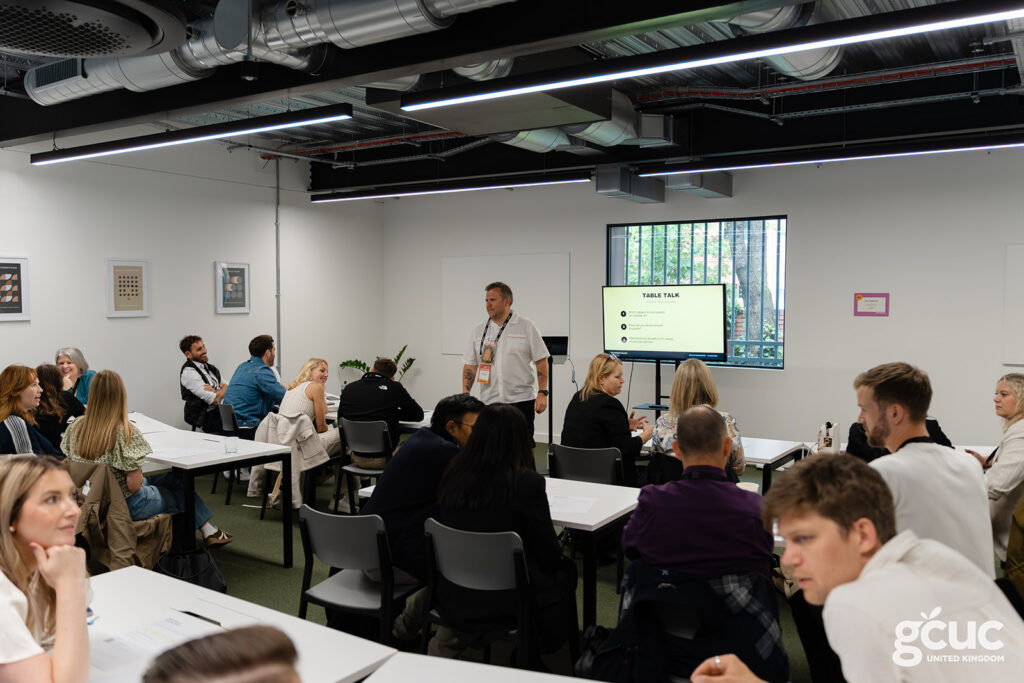
Benchmarking the True Cost of Workspace Operations
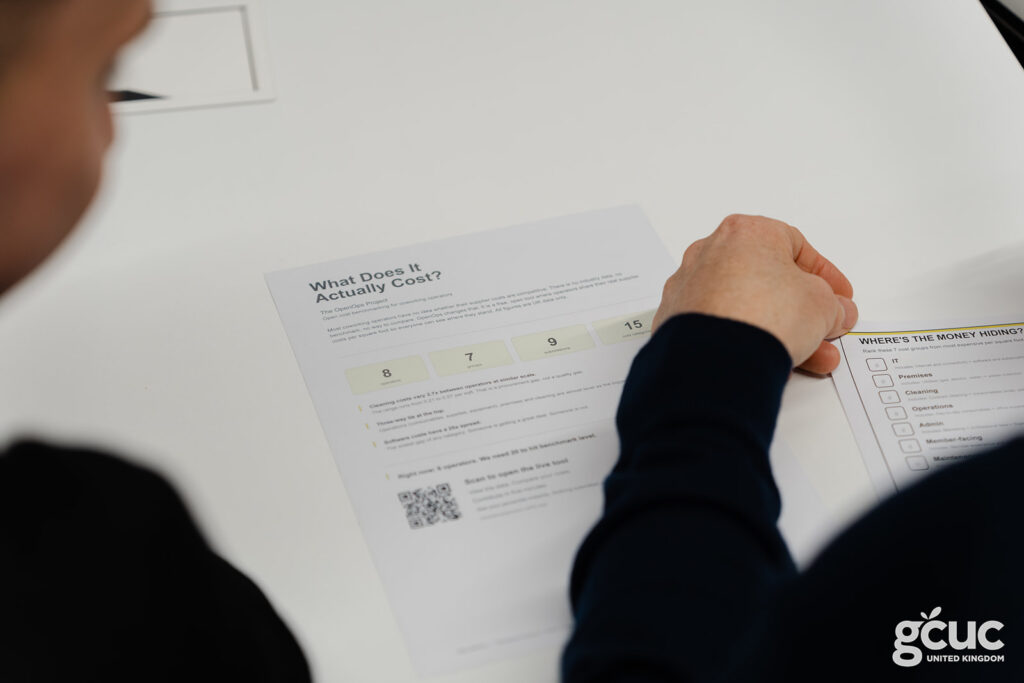
The hotel sector has relied on shared cost benchmarking for four decades; flexible workspace has historically lacked a comparable dataset. Operators have routinely been left to estimate whether they are paying fair market rates for cleaning, utilities, internet infrastructure, or site maintenance.
Ben Newton, Operations Director at Patch, set out to address this gap with The OpenOps Project. By putting Patch’s real P&L data out in the open, Ben walked operators through a free benchmarking tool designed to compare supplier costs on a like-for-like basis.
Workshop participants ran a live exercise testing cost assumptions and helping shape a shared financial framework for the wider UK coworking sector. It served as a practical companion to the main-stage Generous Operator panel, anchoring a core operational principle: you have to earn the right to be generous by first mastering your underlying cost baseline.
Uncovering Revenue Leakage in Your Workspace Pipeline
Many operators hold assumptions about their revenue pipelines that do not match reality on the ground. Healthy-looking CRM pipelines and executive dashboards often mask uncharged accounts, delayed renewal agreements, and revenue leakage hiding in plain sight.
Keke Patissier and Oliver Easton-Hughes of Koho put workshop attendees straight to work on a live operator dataset. With laptops open, small groups interrogated the same data from multiple angles, uncovering where revenue was slipping through the cracks and how to audit pipeline health accurately.
The takeaway for workspace teams was clear: a dashboard is only as reliable as the uncomfortable questions you are willing to ask of your data.
Moving Inclusion From Pitch Decks to Daily Operations
Accessibility and inclusivity feature in almost every flexible workspace pitch deck and website header; tangible operational specifics are far rarer.
Stacey Sheppard, Founder of The Tribe Coworking, and Felicia Fai, Associate Professor at the University of Bath, bridged the gap between academic research and front-line practice in The Inclusive Space workshop. Working through real case studies in small groups, attendees examined what is genuinely working on the ground, from sensory design considerations to neuroinclusive booking flows.
Rather than abstract theory, every operator left the room with concrete, actionable commitments to implement across their physical spaces and daily operations.
Bringing Unscripted Dialogue to London
Three rooms, three persistent industry challenges, and zero script. The entire format for the workshops at GCUC UK Manchester was designed so that every participant walked away with frameworks, benchmarks, and tools they could implement in their spaces the following morning.
We are bringing this exact unscripted, hands-on workshop model to GCUC UK London on 8 and 9 October at 88 Wood Street (TOGETHER).
Want to get inside the room packed full of UK operators, landlords, and CRE leaders? Tickets and full conference agenda details are available now: Buy Tickets