GCUC UK Blog
IWD 2026: Five women on careers in coworking and flex
- Community
- Coworking
- Industry
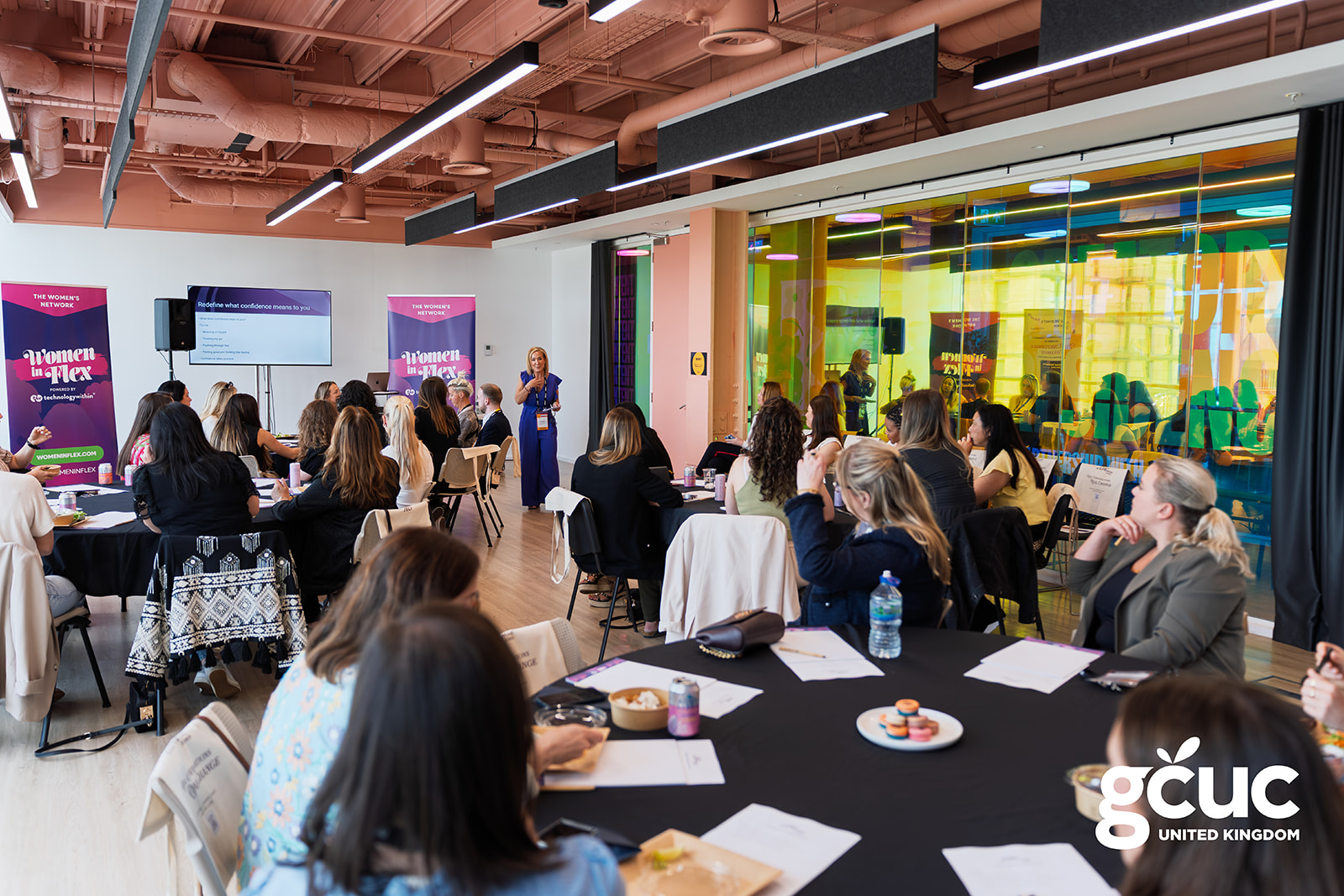
To mark this year’s International Women’s Day – Sunday 8th March – we spoke to 5 women from across the coworking and flex sector who we believe are doing really interesting work.
We were lucky enough to chat with:
- Luce Evers – Design Lead, Foundry
- Sarah Hayford – Founder & CEO, The Land Collective CIC
- Olivia Lutz – Community Manager, Venture x White City
- Alana Harris – Brand Manager, Projects Brighton
- Rachel Evans – Assistant Manager, Work.Life
We wanted to hear firsthand about their experiences; to know about their routes in, the parts of the work people underestimate, what makes coworking a good place to build a career, and what it has been like to navigate the sector as a woman.
Their answers show the breadth and depth of an industry that, in many ways, has moved faster than most on inclusion. In Deskmag’s Global Coworking Survey reporting, women became a majority of coworking members in 2019, crossing the 50% mark for the first time worldwide. At the same time, leadership has not always kept pace, with Deskmag also reporting that only around a third of coworking spaces were founded by or are owned by women.
Some of our featured women found coworking by accident. Some came in through brand, community, events, or operations. All of them describe the same thing in different ways: this industry is broader than it looks from the outside, and the jobs inside it ask for more range than most people realise.
Here’s what they had to say:

Luce Evers – Design Lead, Foundry
How did you end up in coworking: was it a deliberate choice or did you fall into it?
Cast your mind back, it’s 2019 and newly graduated Lucy needs to take the Marketing world by storm. I was applying for everything to move out of the retail job I’d had for years. After a while of not really feeling grounded in any industry, I went back into teaching music (my original passion) and needed something to fill the bank account up in between term time.
Et voila, coworking. My friend got me a job on the front desk and I was IN. I knew from possibly the second or third week this was an industry I could thrive in. It brought all my skills together; community building, marketing, customer service and event coordination. All under one roof. I’ve since met some of my best friends and made connections that I will carry through the rest of my life.
What makes it a good industry to build a career in, from where you sit?
I believe coworking is made for (and most likely by) multi-hyphenates. It is here FOR the people who just muck in. You can find your tribe because every single blueprint of human walks through those doors, and chances are one of them is going to resonate with you, or vice versa. I had a classic line when I was selling offices: ‘Community is overused, neighbourhood is much closer to what we actually are’. It’s a neighbourhood in the most traditional sense of the word. Everyone is in their homes (laptops) living their lives but sometimes that door needs to be opened to understand what happens on the other side of it.
What skills does your role actually need: what do people underestimate about what goes into it?
There’s an old adage – if you want a job doing right, hire a musical theatre kid. They can, have and will do it all. That’s me. No matter what it is, I’m delusional or optimistic enough to believe I can do it. If I can’t, I normally know who to ask. Because, I chat. To anyone and everyone.
The thing with design and branding in the coworking world is, it’s a finite resource. Everyone knows what you’re selling and creating because honestly, most people are doing the same thing. But therein lies the challenge, and goodness knows I love a challenge. But the consistent belief that ‘I am capable’ is the most powerful belief system in coworking. It’s young, it’s new, it’s a baby really in the grand scheme of ‘industries’ and what we’re doing is relying on each other to support this world.
Do you think coworking is a good industry for women specifically, and why?
I don’t think it discriminates, it’s human. It calls to our inbuilt support system. At the crux of it, working is about support. Naturally, women feel this slightly deeper maybe? I can’t speak for anyone else but I know that’s why I connect to it. We can see opportunity and possibility outside of ‘the numbers’. Some of my favourite colleagues in coworking have had that natural caring instinct. There has to be something in that matriarchal stereotype.
Tell us something you love to do outside of coworking?
I’m a musician by trade, that’s where my passion lies. So, sometimes I’ll jump around on a stage in the ‘Math Pop’ scene. However, this month I am running 50k for Cancer Research, which I’ll be honest is consuming most of my time right now.
Connect with Luce: LinkedIn | Foundry
Sarah Hayford – Founder & CEO, The Land Collective CIC
From where you sit in the wider built environment, what’s your impression of coworking as an industry: does it stand out at all?
I believe this sector stands out an immense amount and often doesn’t give itself enough credit for how it does that. My career has been pretty squiggly and I’ve had experience in retail, hospitality, customer service and commercial real estate and coworking encapsulates all of those things very well. Making it not only attractive for lots of different types of people but a place where they can thrive as well.
What would make you say coworking is genuinely a good industry for someone early in their career to go into?
Definitely the combination of people and place, while you get that in more traditional real estate environments, the vibe culturally is very different in coworking. It allows for more flexibility, openness to ideas and getting things done quickly. It almost reminds me of more of a startup environment versus a corporate one. I also think it’s a brilliant space to learn quickly and build connections with people who have such a broad range of experiences, rather than coming from the same places.
What skills do you think the industry needs more of, and who tends to bring them?
More skills and expertise that relate to social impact, community engagement and outreach. I believe that sometimes in real estate we create this kind of bubble, whereby everything is about the building itself and what happens inside of it, making sure that everything is running smoothly and that people are happy.
However, buildings are situated in communities and it’s important that we give back to the spaces we set up shop in. Whether it’s giving a discount to local freelancers, students or entrepreneurs so that they can use your space as well or running community focused events where space is not being used. I want to see more of this here, and to be honest across real estate in general – it shouldn’t just be done because there are social value boxes to tick, but because we should be giving back.
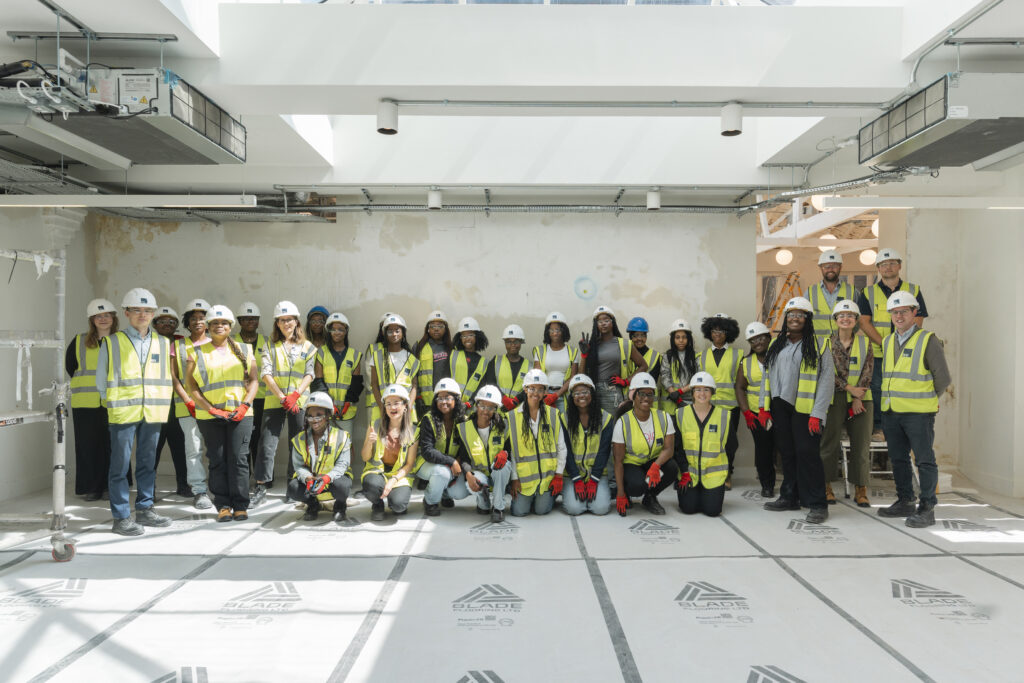
You’ve spent years working on diversity in real estate: do you think coworking is ahead of the curve, behind it, or somewhere in between?
I think that in some respects it’s ahead of the curve and in others behind it. I don’t think that coworking is properly utilising the range of diverse talent and is creating a proper pipeline of talent out of university and even school which I think is a real shame. People tend to just fall into coworking from events, hospitality and retail which is good as there is a skills overlap but I do feel that a lot of young people will find this area of the industry super interesting and fulfilling, but as it currently sits, those people can’t find it/know that it exists yet!
It’s ahead of the curve because of how integrated it is but also how different culturally it feels – it feels more open to people from non-traditional backgrounds and combines roles and responsibilities super well. There are also incredible players in this part of the sector, who all want to do things differently and push the boat out further. I’m always interested in reading about developments in this space and how people have used traditional experiences to do something different and impactful.
Tell us something you love to do outside of coworking?
Dancing! I’ve been dancing samba for nearly two years now and just got back from parading in Rio de Janeiro for Carnaval, it’s was an incredible and exhausting experience and I can’t wait to do it all again next year!
Connect with Sarah: LinkedIn | The Land Collective

Olivia Lutz – Community Manager, Venture x White City
How did you end up in coworking: was it a deliberate choice or did you fall into it?
Coworking found me. For a long time after university, I was trying to break into the entertainment industry (film and theatre) by taking on a lot of independent projects. To make ends meet, I would work in hospitality at my local pubs during any free time that I had.
Eventually it became exhausting, and I realised the cost of doing all of that was just too high on my wellbeing. With brilliant timing, Gaia from Bottle Rocket Search then reached out to me about a role at Venture X, which ended up changing my life entirely.
What makes it a good industry to build a career in, from where you sit?
I think there is a public craving for connection and authenticity. In a world saturated with AI, targeted ads, doom scrolling, and so much more, people want to be in an environment where genuine relationships are built. Somewhere that’s welcoming and poses a relief from all of that. It’s like the stark opposite of a grey cubicle with four walls and awful fluorescent lighting. I like to believe people naturally gravitate towards warmth and kindness, and coworking gives everyone that chance daily.
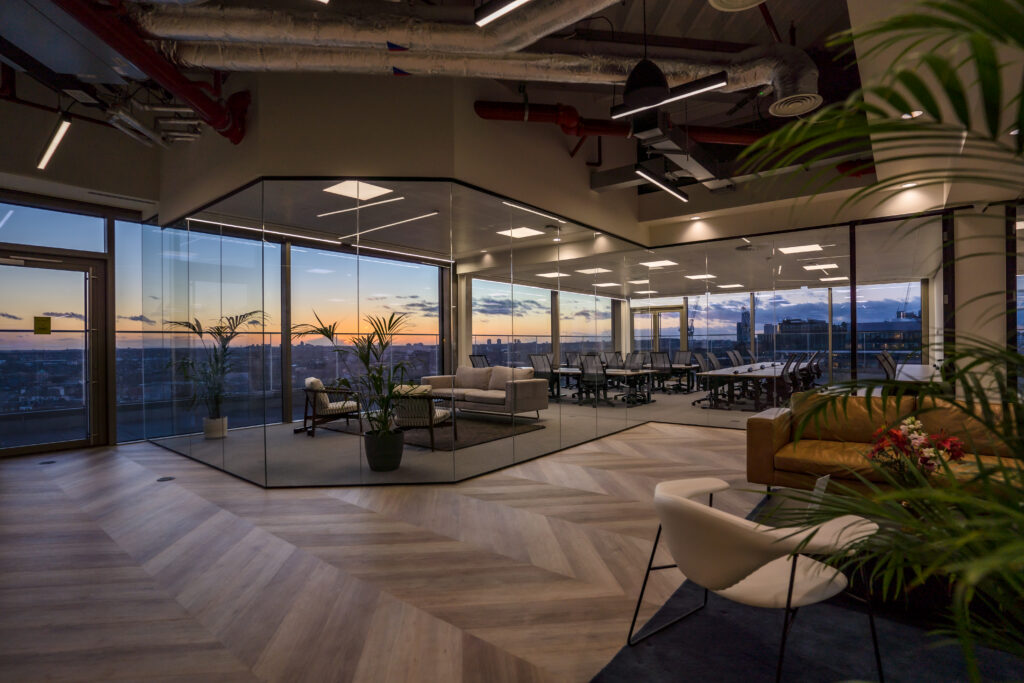
What skills does your role actually need: what do people underestimate about what goes into it?
People seriously underestimate just how much tech is involved. Often, it’s fixing the coffee machine, battling with the printer, or trouble shooting the wifi. Other times it’s navigating management platforms, trying to pinpoint problems at the source or using data to optimise the space. I never expected to be intimately familiar with our spaces switch and floor port system, but it’s just something you pick up on the job when your job is about fixing problems.
Do you think coworking is a good industry for women specifically, and why?
From what I’ve seen, coworking is heaps ahead of other industries when it comes to women in the workforce. This industry is just abundant of us, and I’ve never felt like there isn’t a place at the table for me.
I have noticed, however, that the majority of roles taken by women in this community are front of house roles, and part of me can’t help but wonder if that’s due to outdate stereotypes about women being good hosts and “naturally adept” at taking care of others. On the other hand, perhaps women are just good at building communities and fostering relationships.
Tell us something you love to do outside of coworking?
I really love to cook. For me, it’s like art, it’s creative and stimulating, and is actually a great way to connect with others. My cat likes to observe what I do from the kitchen counter. My partner acts as my sous chef. One of my sisters adulates my meals to the rest of my family, and the other likes to share kitchen mishap stories. My dad and I constantly swap recipes and cookbooks. It’s something that stimulates my creativity, keeps me calm, and creates connection with those who matter the most.
Connect with Olivia: LinkedIn | VentureX
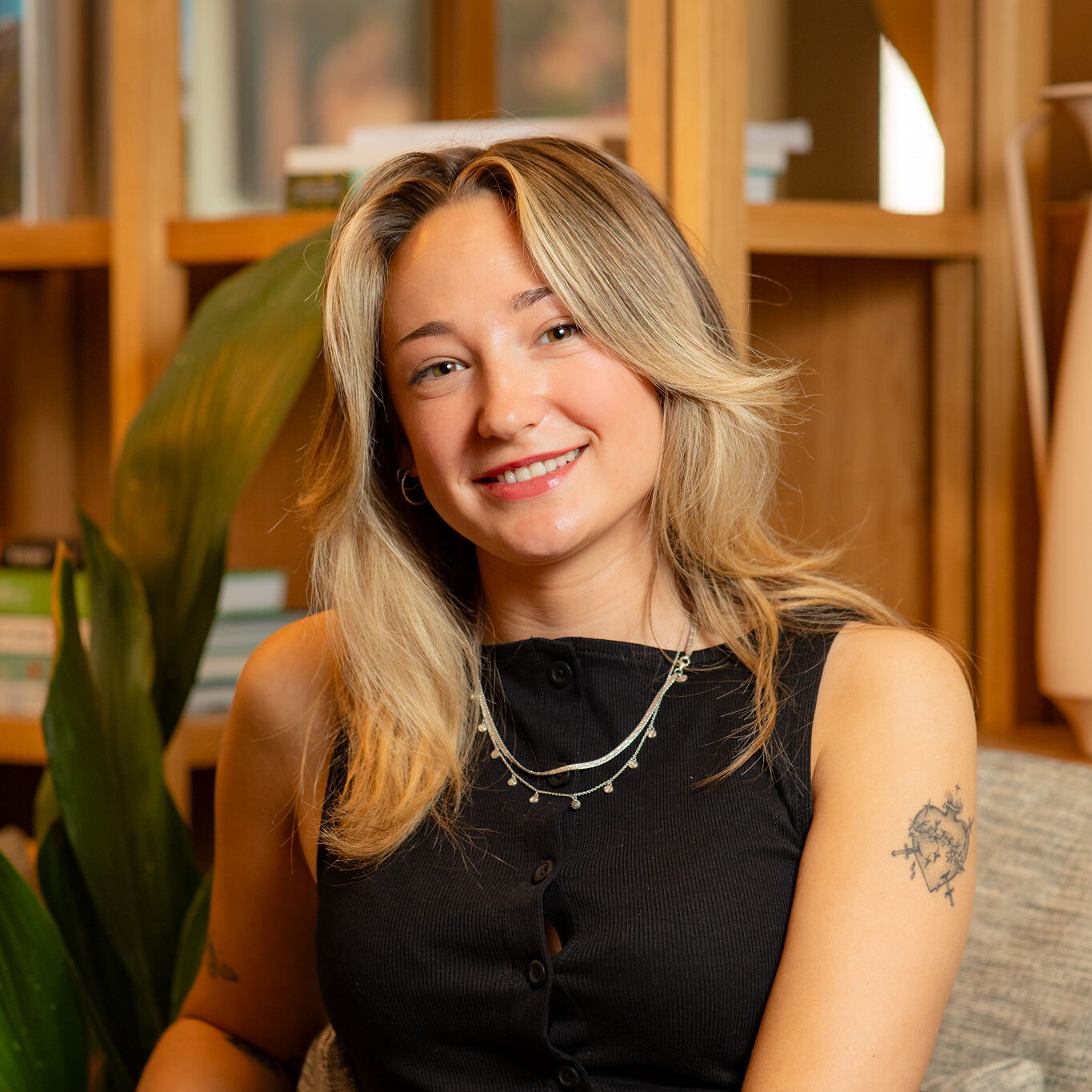
Alana Harris – Brand Manager, Projects Brighton
How did you end up in coworking: what was the path that led you here?
Before joining the Projects team, I was actually a member of the space, working in PR and Marketing. That experience gave me a front-row seat to what coworking can genuinely do for people, not just professionally, but personally. I came in every day feeling connected and welcomed, built real friendships with the community, and fell a little in love with the team behind it all.
So when a role opened up at the same time I needed a switch up, it felt like a no-brainer. I started on the front desk, learning the all important foundations of what makes a community space actually work, then gradually moved back into my comms roots, taking on everything Marketing and Brand.
What makes it a good industry to work in compared to others you could have gone into?
Because coworking sits at the intersection of hospitality, real estate, marketing, operations, community and more, it means there’s real freedom to explore. I started as a Community Manager and was able to grow into Brand Manager by leaning into my strengths and responding to what the business needed. It’s very much an industry that rewards initiative and curiosity.
Another thing I love is that, unlike most industries, the people around you aren’t just your colleagues. Coworking brings together such a mix of founders, creatives and teams from completely different sectors. You’re constantly building meaningful connections – and just as importantly, helping spark them between others too.
Brand management in a values-led space like Projects Brighton: what skills does that actually require?
Honestly I feel like the skill that’s served me the most in my role is adaptability. I have to wear a lot of different hats and get involved in a lot of different areas of the business and this 360 view is what makes my work the most impactful. I can’t just craft compelling copy about a purpose-driven community and call it done. I have to make sure I’m helping the community and the space actually feel that way – in practice, every day. That means everything from writing internal SOPs and training materials, to building data systems that track our impact, to establishing partnerships that genuinely serve our members and brand.
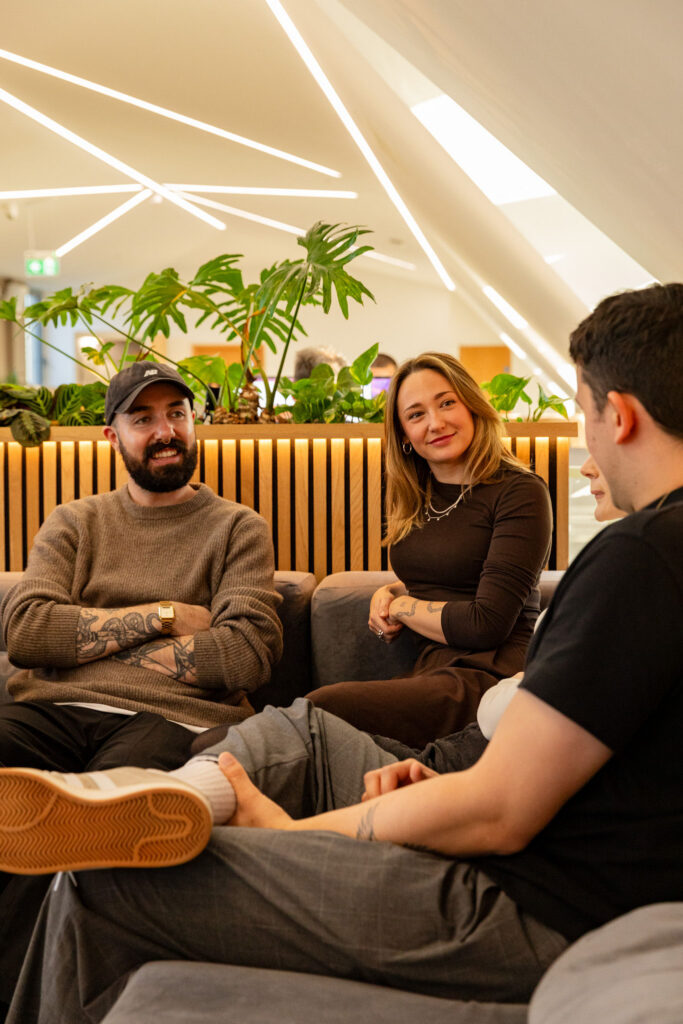
What’s your honest take on coworking as an industry for women: where does it get it right, where could it do better?
I’ve been incredibly fortunate in my coworking career when it comes to feeling uplifted and encouraged as a woman. From day one I was surrounded by brilliant women and men on my team, and had a truly exceptional female manager in Alex Young who made me feel heard, valued, and capable. I’ve never had to fight for my voice within my immediate team, and the wider industry has offered real opportunities to connect with other women through networks and events, female representation feels like it’s only improving.
That said, holding your ground as a young woman can still feel like something you have to consciously assert, rather than something entirely normal. Gender gaps still exist, particularly in decision-making roles, and leadership culture needs to keep evolving so that seeing women at the table, making real decisions, isn’t a surprise to anyone.
Tell us something you love to do outside of coworking?
I’m a committed foodie and am always hunting down a new restaurant or testing a new recipe at home. My favourite question to ask, and to answer, is ‘what would your last meal on earth be?’
Connect with Alana: LinkedIn | Projects Brighton
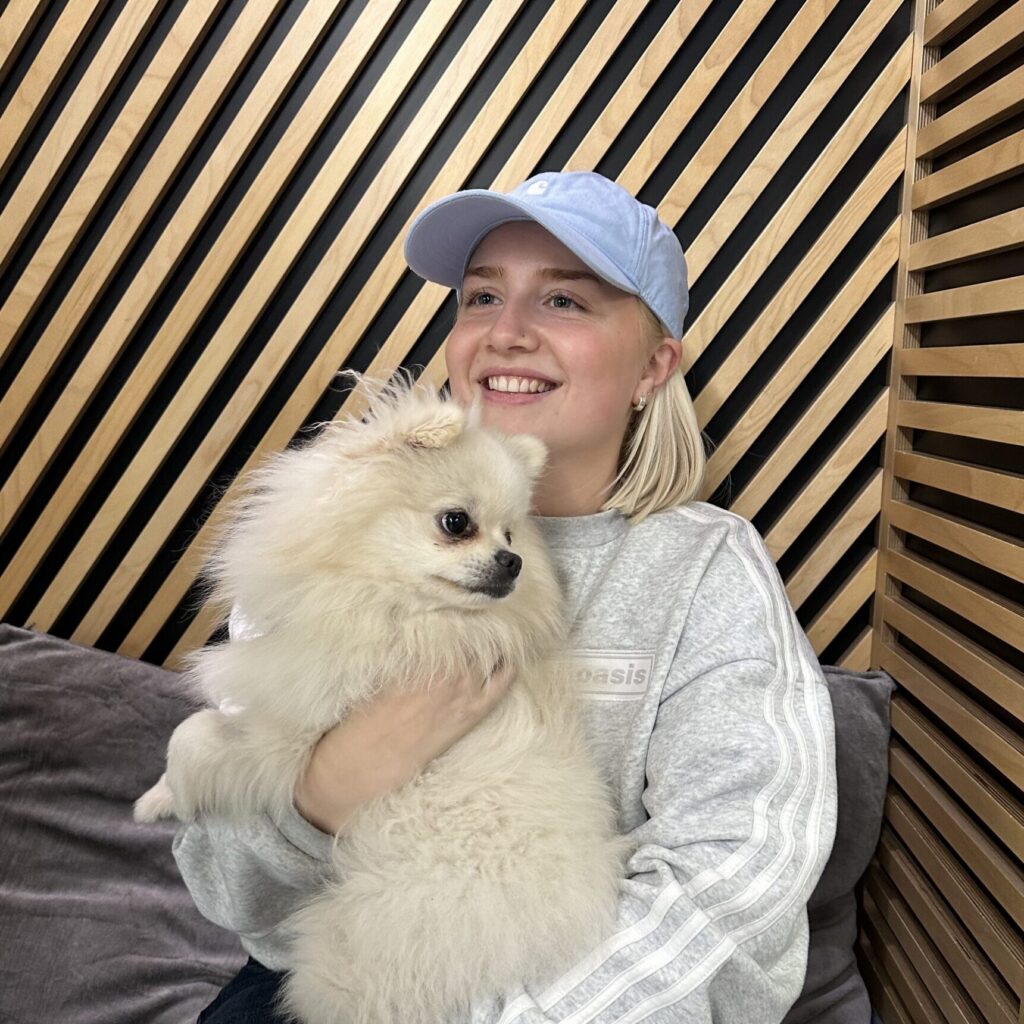
Rachel Evans – Assistant Manager, Work.Life
What brought you into coworking: did you plan it or did it happen by chance?
I stumbled upon coworking straight out of university. I applied for the job at Work.Life Manchester almost 4 years ago, it was my first corporate job, and I had no idea what to expect. I really didn’t know the industry, having no idea that Flexible office space existed. What drew me specially to the industry was that the role was people centric. I’ve always loved meeting new people, so I thought this was perfect – especially moving to a new city at the time.
What do you think makes it a good industry to build a career in?
Personally, I think it makes a great industry to build a career in because there’s lots of opportunity to diversify your skills and move laterally, especially with Work.Life. If there’s an area you’re specifically interested whether it be the operations side, sales or community building there is always space to get involved. Since I started my career, I’ve learnt an incredible number of new skills all at once. This combined with meeting so many new people every day (members or colleagues) has transformed my self-confidence.
What skills does running a space like Work.Life need: what surprised you about the job?
I actually believe it takes a unique set of skills to excel in running a coworking space. The day-to-day operations can be busy but rewarding. I’m at the front desk most of the day so it can be very fast paced. No day is the same. I think you need to be solutions-focused and open minded, curious about your members and what they do and adaptable to the challenges that may come up. Also a love for dogs helps, we have lots of furry friends in our space and when you’re having a busy day, nothing helps more than a cuddle from your favourite pup.
What surprised me the most was how many friends I would make along the way. People start as members and then become lifelong friends, you see them every day, so you really get to know everyone. It’s the perfect space to network and learn about the diverse range of roles people have. It’s really inspiring to be around such dedicated and likeminded people.
Do you think coworking is a good industry for women to be in: what’s your experience been?
Being a woman in coworking has been an excellent experience. Since this was my first corporate role out of university it was really intimidating to begin with. You can be handling difficult face to face conversations and sometimes as a young woman people do underestimate you. However, in Work.Life there have been so many incredible women behind me that have coached me through these, including my manager of three plus years, Becqui.
Tell us something you love to do outside of coworking?
Outside of coworking one of my favourite activities is hiking, we’re right by the Peak District here in Manchester, so I love switching off in nature on the weekend.
Connect with Rachel: LinkedIn | Work.Life
Huge thanks to the women featured here for giving their time, and for the detail, honesty and perspective shared in their answers.
If you’re building a career in coworking and flex, we hope this felt useful. Follow their work, share the feature, and keep the conversation going beyond IWD.