
GCUC UK Blog
The Centralised Advantage: Yardi on AI
- Coworking
- Industry
- Tech
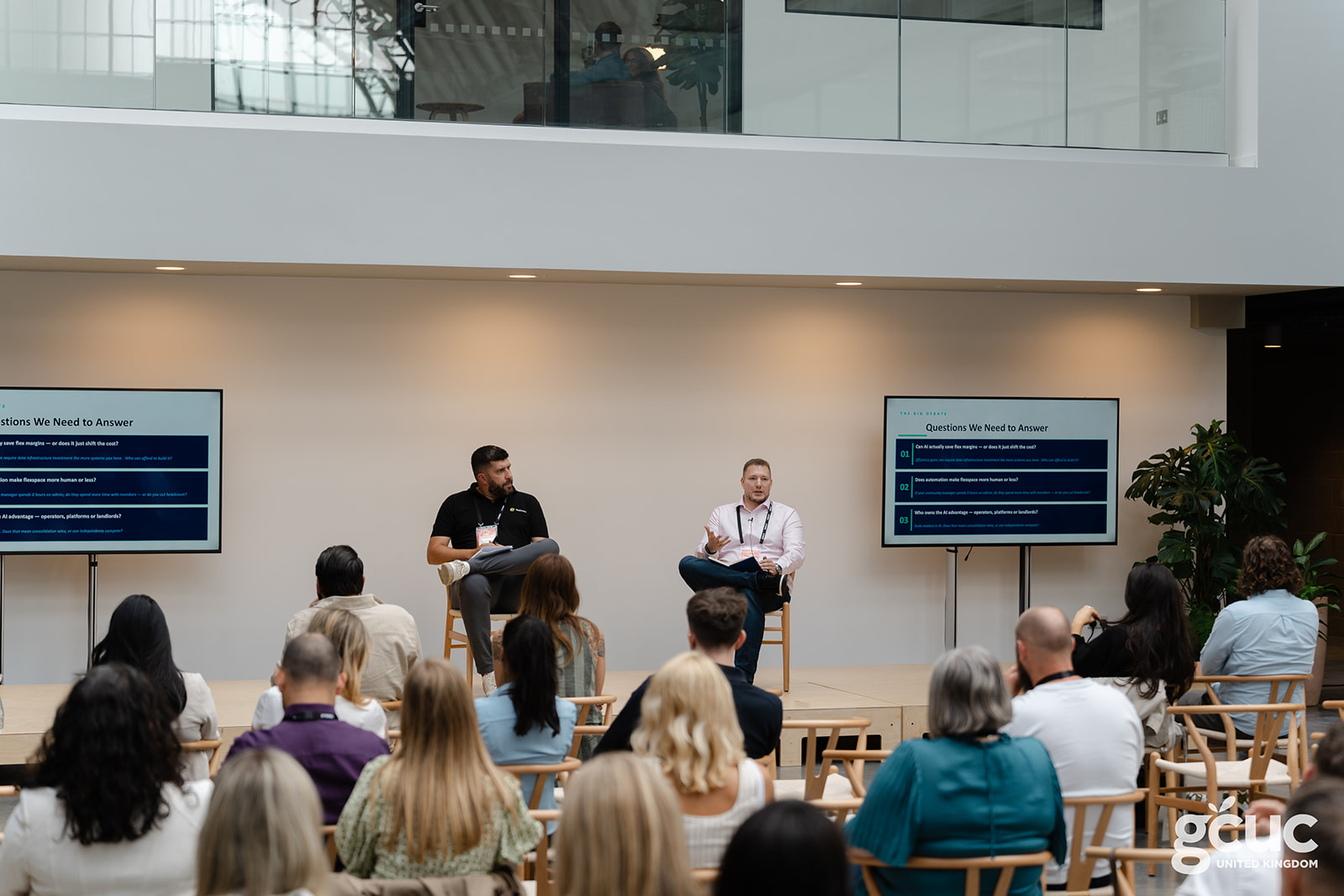
Yardi’s Paul Rowe and Christopher Cole closed the GCUC UK Manchester stage in June with an argument that ran against the grain of most AI for flex operators conversations: the tool is rarely the problem. The data underneath it is.
It is not a small thing to get right. Flex runs on thin margins, somewhere between 10 and 20% EBITDA, against rising fit-out costs, rising wage costs and members who expect more than they did two years ago. Against that backdrop, the habit Rowe and Cole see most often is operators accumulating systems that do not talk to each other. One example they cited ran close to twenty separate systems across three or four sites. Cole named the actual bottleneck plainly:
“Probably one of the biggest issues is not actually the AI tools, it’s the data that powers those tools.”
Clean, centralised data, he argued, is not a nice-to-have before AI gets useful. It is the prerequisite for everything else, and the direct antidote to the hallucinations operators are right to worry about.
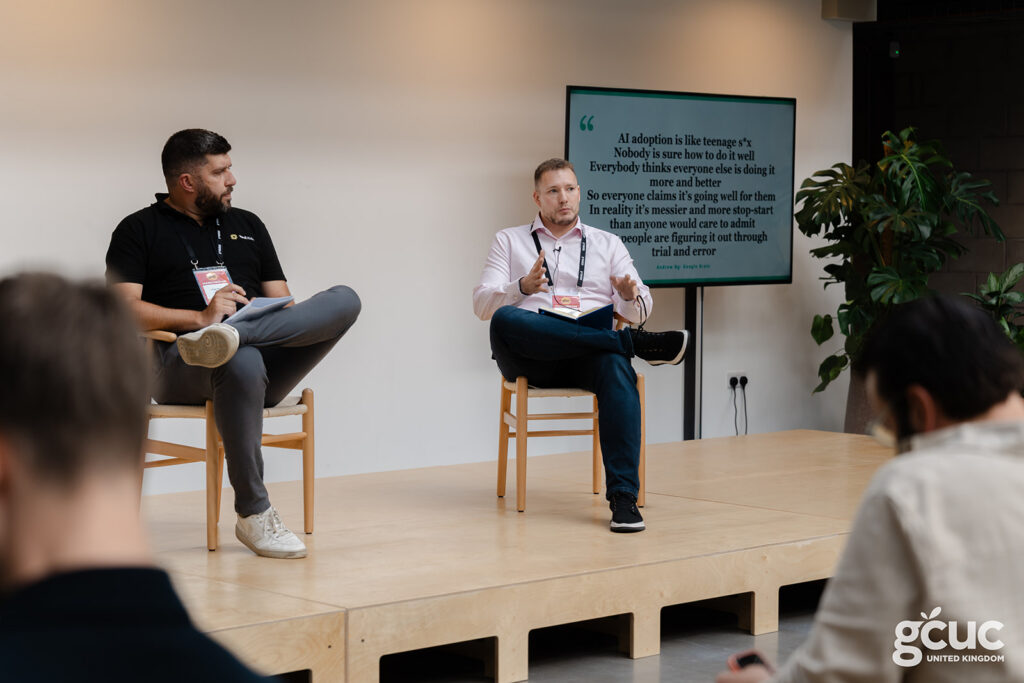
Three tiers of AI for coworking and flex operators
Rowe and Cole split AI into three practical tiers, useful for anyone trying to work out where to actually start with flexible workspace AI. Generalist tools, the ChatGPT and Claude end of things, prompt in, answer out. Connected tools, systems plugged into a model via API so reporting and dashboards update themselves rather than waiting on someone to pull a spreadsheet together. And agentic tools, the newest tier, where an operator effectively writes a job description for a back-office agent: chasing invoices, running the period close, handling the admin that currently eats a team’s week. Agentic, they argued, is where the real difference shows up, not because it is flashier, but because it frees people for the parts of the business that actually need a human.
Why AI projects fail: start with the problem, not the tool
The mistake they see most often, across every stage of adoption, is starting in the wrong place entirely. Cole’s framing for it stuck:
“You don’t ask how you’d use a new hire. You start with the business problem. Treat AI the same way.”
Reduce churn. Improve occupancy. Automate the finance admin. Fix the reporting that currently takes a day to assemble. Decide the outcome first, then work out what data that outcome actually needs, then choose the tool for it. Most AI projects fail, in their experience, by doing all three steps in reverse.
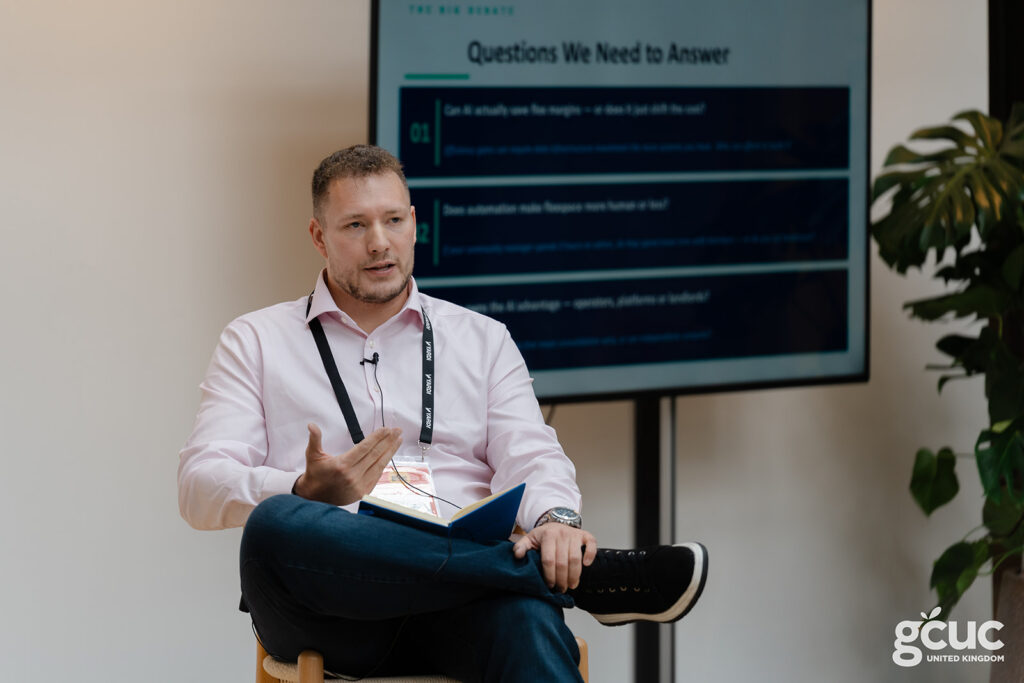
The timing is on your side
For a room with plenty of people nervous about being left behind, the more reassuring note was about timing rather than technology:
“AI now is as bad as it’s ever going to get. This is as bad as it will be.”
And on who actually wins from here, Rowe was direct:
“The winners are unlikely to be those with the biggest budget. It’s the operators who organise their data best.”
That is a genuinely different story to the one usually told about AI in commercial real estate, where the assumption is that scale and budget decide the outcome. Rowe and Cole’s argument is closer to the opposite: the operator with three sites and clean data is better placed than the operator with thirty sites and twenty systems that do not speak to each other.
What flex operators actually want from AI
The Q&A surfaced more than the headline argument. Asked where to focus in the next 90 days, Cole’s answer was to clean the data and start with the back office. Rowe’s was to fix the customer journey and lead capture, pointing out that residential lettings are already well ahead here, particularly on soft-close handling and out-of-hours enquiries. Both agreed on where the sector sits by maturity: residential and build-to-rent ahead, flex somewhere in the middle, commercial real estate further behind still. Dynamic pricing and bespoke reporting came up repeatedly as the two things operators in the room actually want AI to solve for them, more than any general enthusiasm about the technology itself.
Rowe also referenced Andrew Ng’s line on AI as the new electricity, and cited research suggesting a wide gap between what AI can technically do and what is actually being used day to day. The gap, in other words, is not capability. It is organisation.
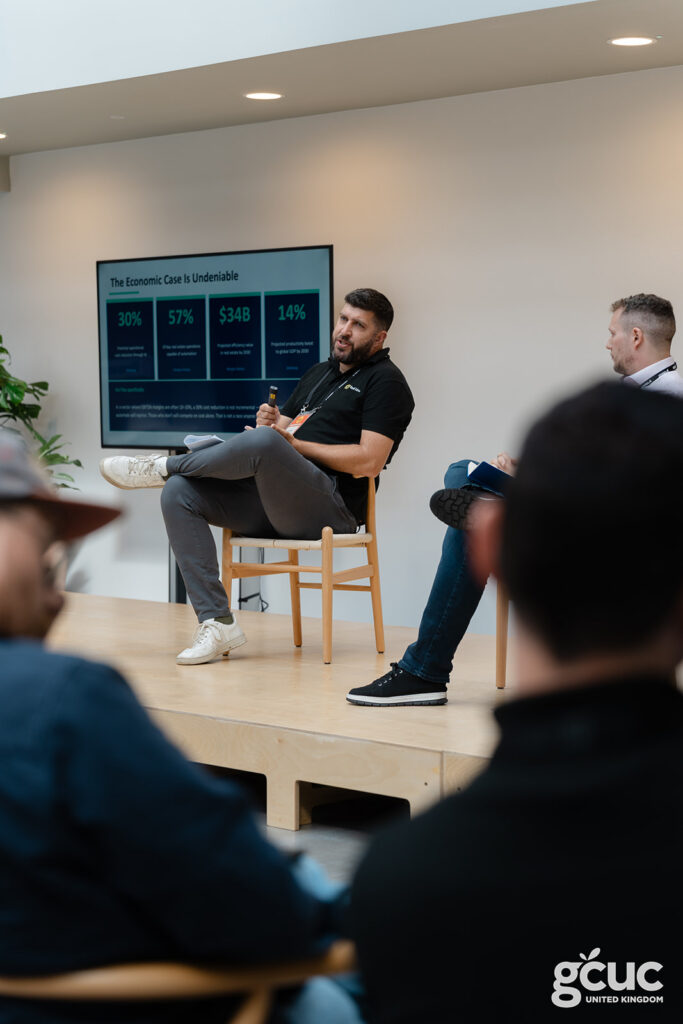
Live demo: AI-powered reporting inside Yardi
They closed with a live one: a Claude connector working inside an encrypted Yardi environment, never leaving the client’s own database, reading real data and building a quarterly dashboard from scratch on stage, writing the code and narrating its own reasoning as it went. Cole noted, with a shrug that got a laugh, that this rather cannibalises Yardi’s own integration, since the same output can now be generated from a prompt. Claude’s connector ecosystem was singled out more than once during the session as the current standard other tools are being measured against.
The bottom line for flex and coworking operators
AI does not rescue a messy operation. It rewards a well-organised one. For a sector still working out where it sits on the coworking data strategy maturity curve, Manchester’s clearest advice was the least technical part of the whole session: sort the data first, and the rest gets considerably easier.