GCUC UK Blog
GCUC UK Manchester 2026 Recap
- Events
- GCUC Manchester
- Industry
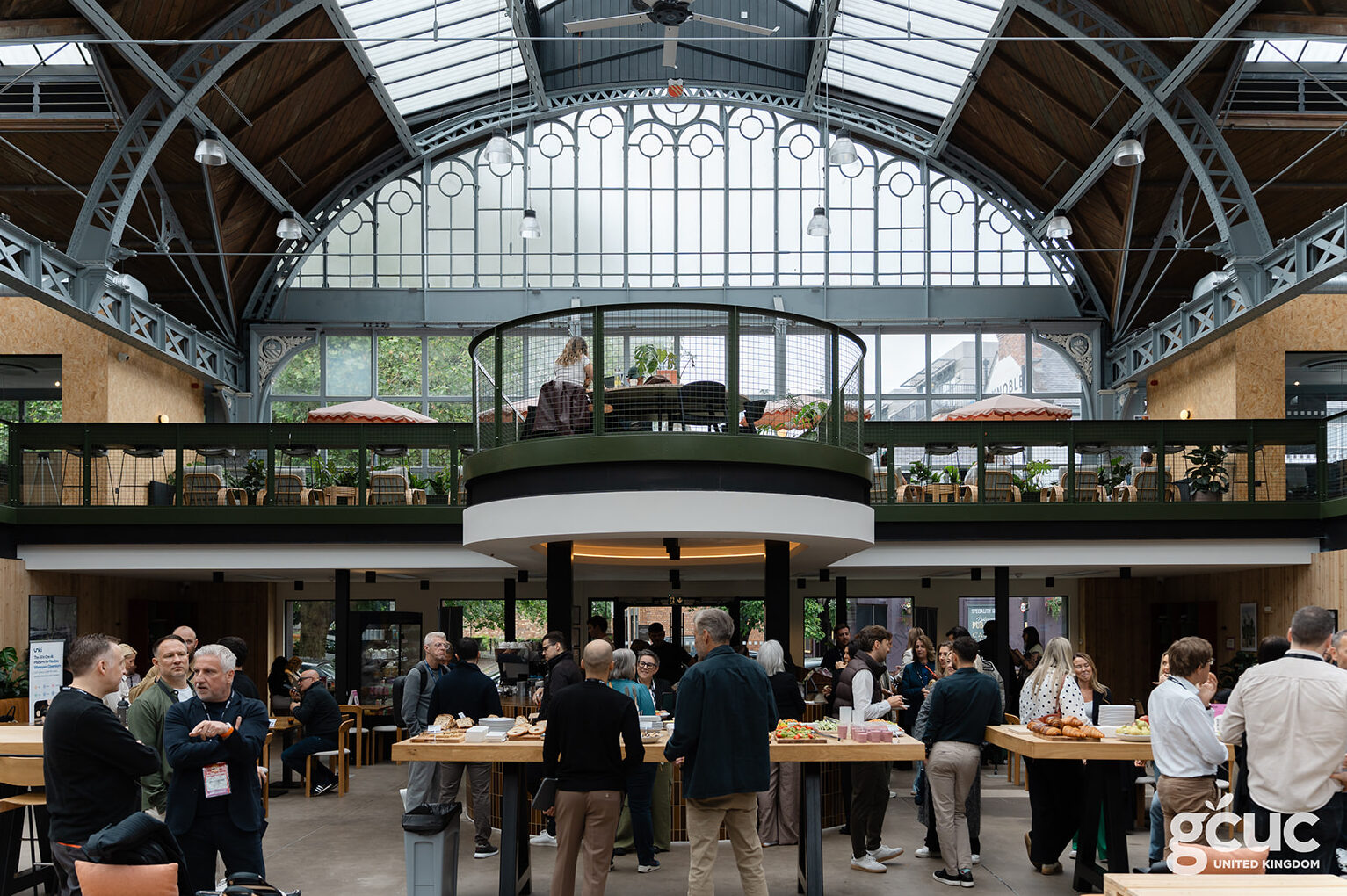
Manchester has a habit of making the case for itself. This year GCUC UK came to Campfield, the old air and space museum that Allied London has turned into a working media campus in the heart of St John’s, and spent the day doing something the coworking industry rarely does: putting the voice of the customer in the room. Too often we talk to each other. This year we wanted to hear from the people who actually use the spaces we build.
The answers, across six sessions, were more honest than the usual conference fare.
Start with the customer
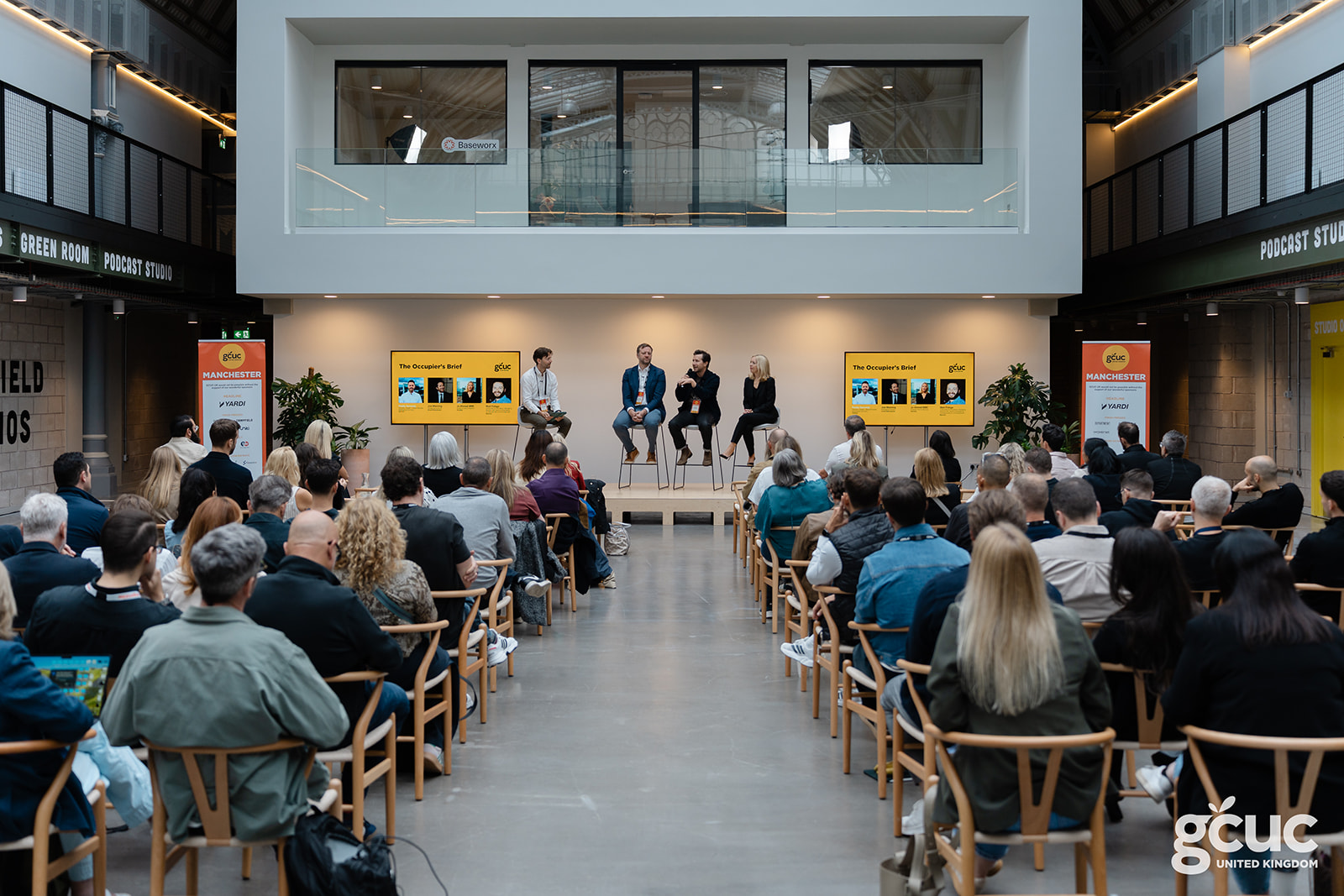
The day opened by putting the customer in the room. Colliers‘ Paddy Kennedy and Phoebe Reilly set the baseline with data: Manchester now leads the UK on flex share of new leasing, average lease lengths have fallen toward 3.7 years, and corporate flex has stopped being a post-Covid improvisation and become a strategy. Quality and amenity are no longer optional, and the global names account for a shrinking slice of the market as corporate occupiers increasingly trust local, boutique operators who know their city.
Then the occupiers themselves. Jo Ahmed walked through Deloitte’s move during Covid out of a traditional grey office and into a WeWork-run, Amazon-anchored building, and how a younger team responded to the energy of a different kind of space. Matt Polega explained why Mark43, a police-software company that began in Chicago, chose Manchester over London: proximity to its customer first, then a tech and university scene and, in his word, positivity. Joe Manning of Invest Manchester made the civic case, that the pitch to incoming businesses has shifted from square-foot cost to workforce and people strategy, with neighbourhoods, culture and city-centre living now part of the offer, and that growth only matters if it reaches everyone.
Community, measured
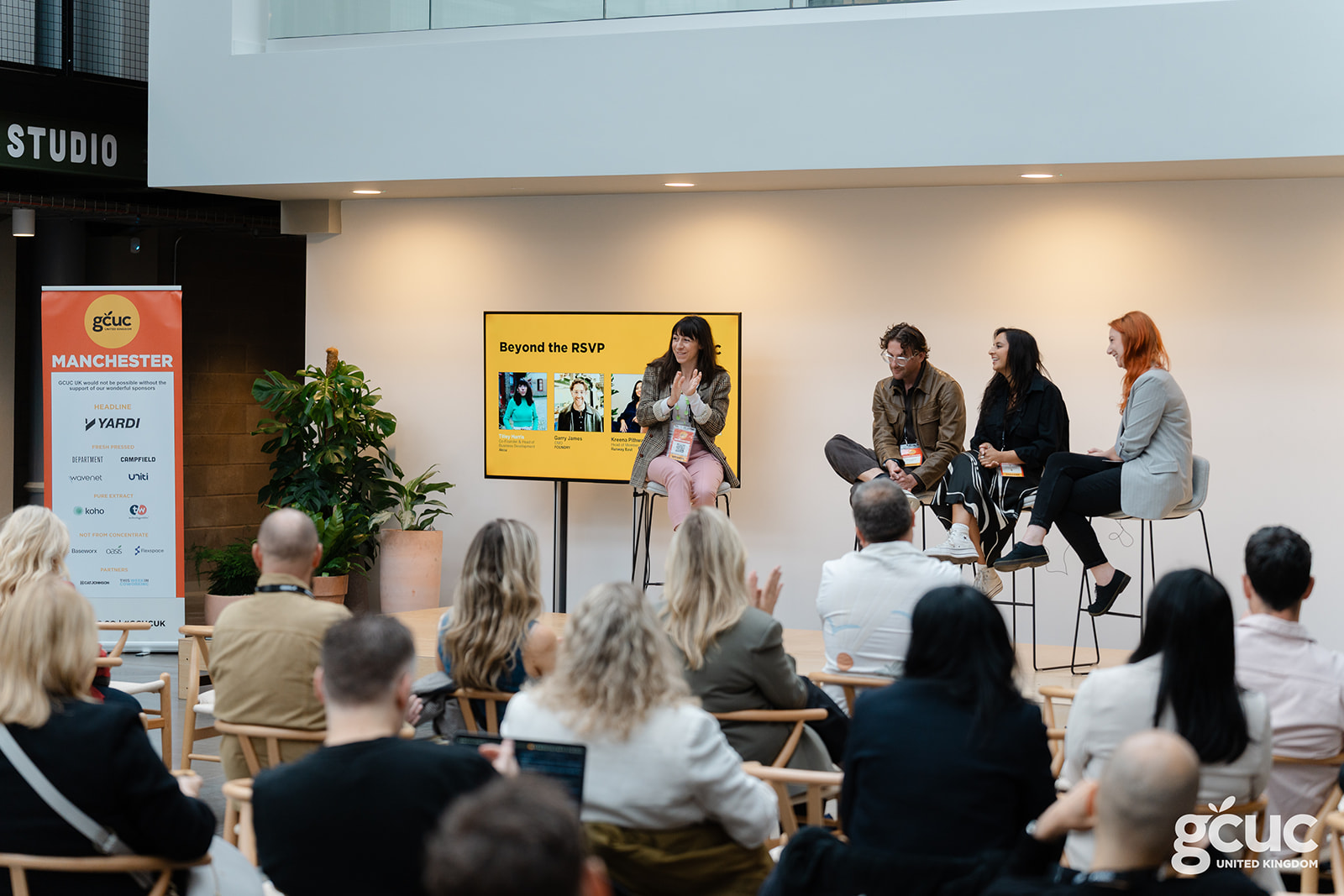
If the morning’s theme was listening to customers, the next session asked whether the industry listens to its own members in any way it can prove. Tilley Harris of Akou chaired a candid panel with Emma Harvey (Bruntwood SciTech), Kreena Pithwa (Runway East) and Garry James (FOUNDRY) on measuring belonging.
The shared admission: the sector talks about community constantly and measures it rarely. NPS came in for a kicking, useful as a box-tick, useless as a measure of belonging. Retention is the honest proxy. The signal that matters still comes from ground-level human conversation, and the hard part is turning that into something a board will fund. The reframe that landed was treating the community team not as a cost but as revenue protection, with local suppliers, genuine recognition and small, sincere gestures doing more than expensive events ever could.
The regional case, made by the people making it
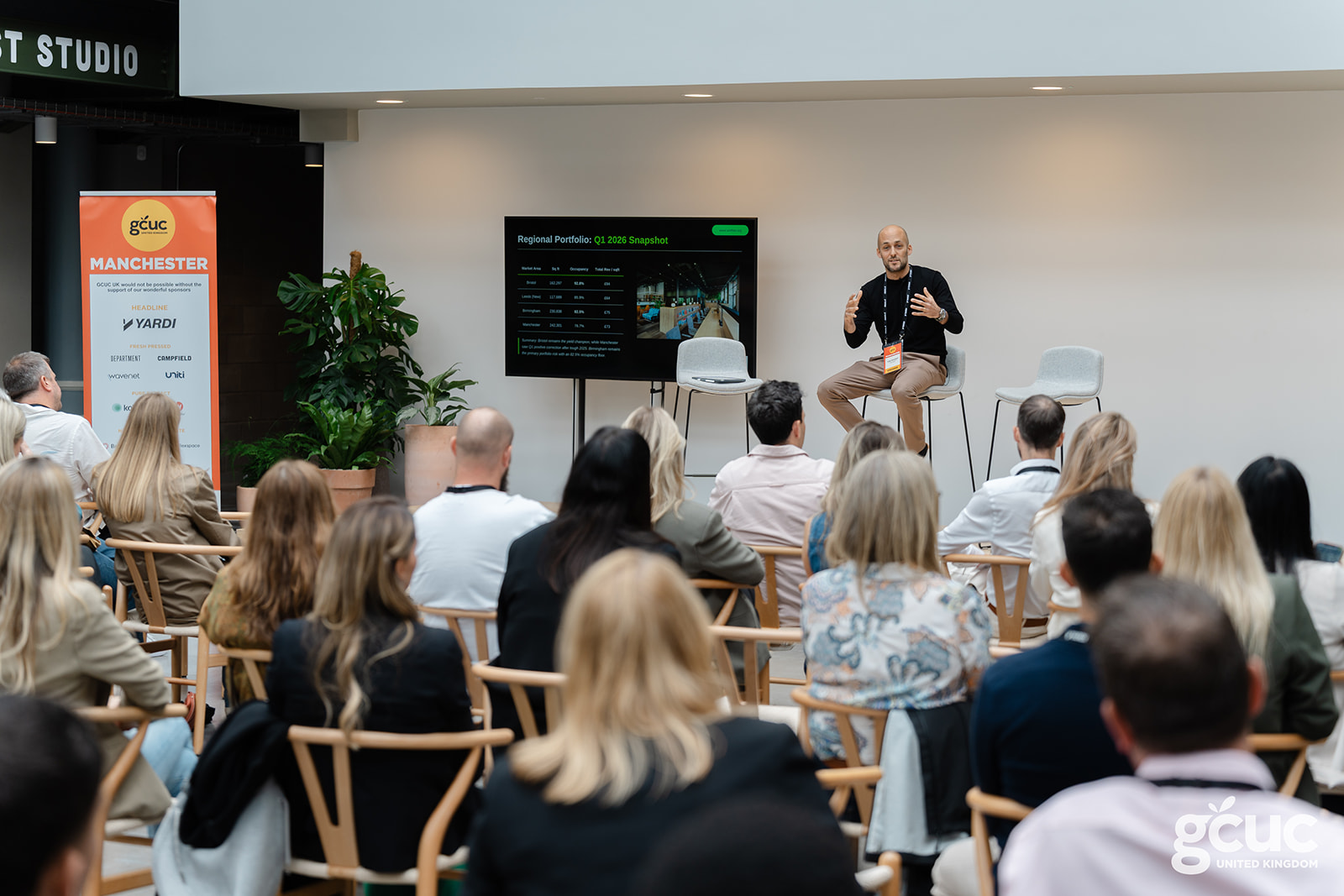
Jonny Rosenblatt of Spacemade used his slot to make the case for WIN, the operator-led Workspace Intelligence Network, and was refreshingly honest about its gap: the regional dataset is not deep enough yet, because the data is only as good as the operators willing to feed it. The sector grows up, he argued, by measuring itself honestly rather than trading “75% let after six weeks” claims nobody believes.

Alexandra Livesey (Little Red Donkey) and Ben Cheriton (BLOCK) then got into the economics on the ground: why investors still undervalue flex revenue despite member tenures that look a lot like leases, why local knowledge cannot be templated across cities, and why entering a market at the right price beats buying occupancy with a discount you then scramble to claw back.
Into the room: the workshops
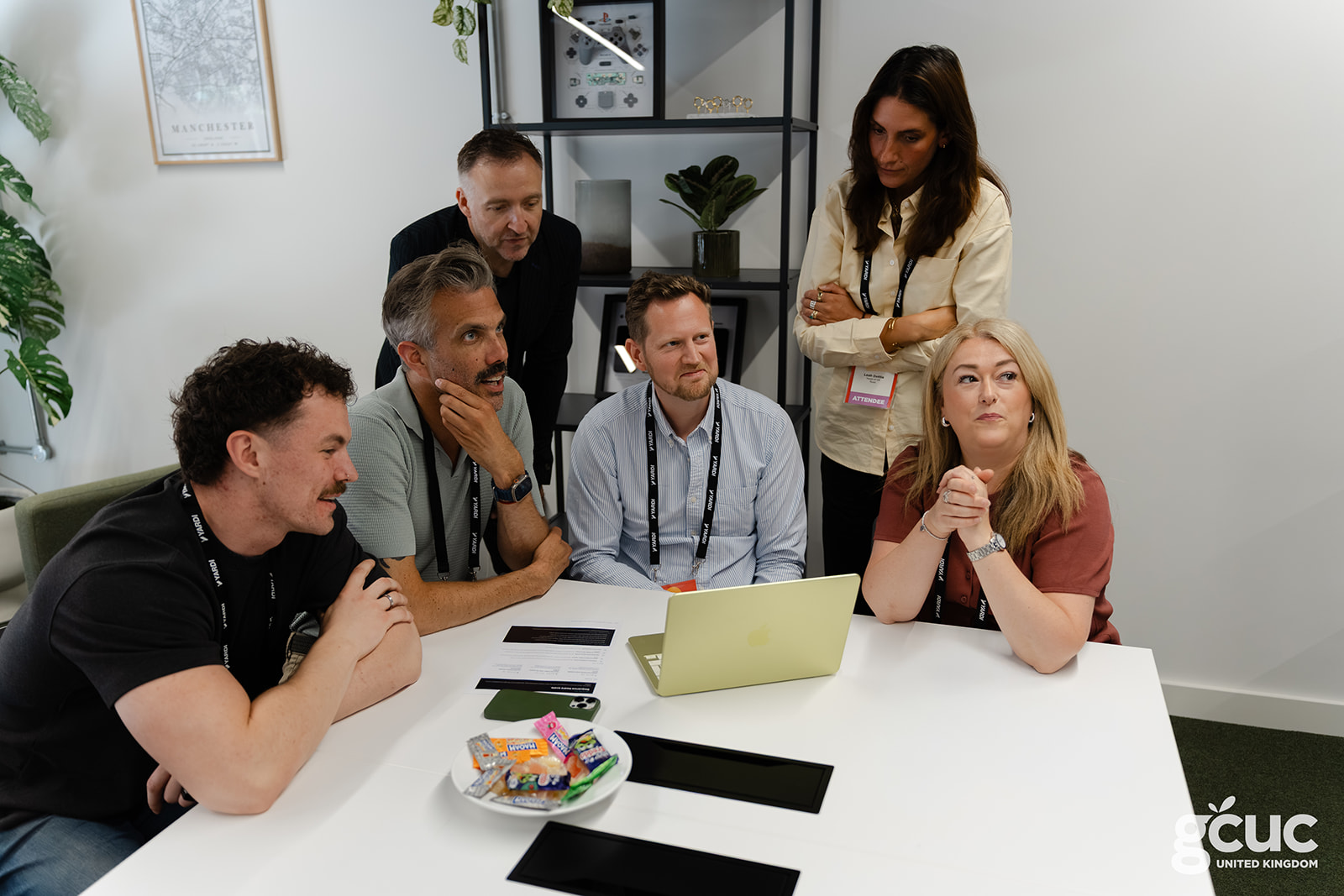
After lunch the day broke into smaller rooms. Three parallel workshops traded the main stage for honest, peer-to-peer exchange. Ben Newton of Patch ran The OpenOps Project, putting real P&L data into the open so operators can benchmark supplier costs on a like-for-like basis, the kind of shared benchmarking the hotel industry has had for forty years and coworking has never had. Keke Patissier and Oliver Easton-Hughes of Koho ran Your Pipeline Is Lying to You, sending teams into a live operator dataset to find the revenue hiding in plain sight. And Stacey Sheppard of The Tribe and Felicia Fai of the University of Bath ran The Inclusive Space, moving inclusion from the pitch deck into practical operations, with attendees leaving with actions to commit to.
Earning the right to be generous

The Generous Operator picked up the thread Ben Newton had started in his OpenOps workshop: you have to earn the right to be generous. Drawing on Will Guidara’s Unreasonable Hospitality, the panel (Ben Newton of Patch, Christopher Griffin of KOBA, Rebecca Cox of Colony, Ed Hobbs of x+why and Katy Tennant of Clockwise) made the case that discipline on the unglamorous 95% of operations is what funds the memorable 5%.
Cut too deep and a space loses its soul and becomes merely transactional. Overstaff and you lose the atmosphere just as surely. The gestures that land are rarely the expensive ones: a handwritten note, a remembered drink, noticing when someone is having a hard week. Generosity, as Katy Tennant put it, is not the opposite of operational discipline. It is what discipline makes room for.
The data underneath the AI
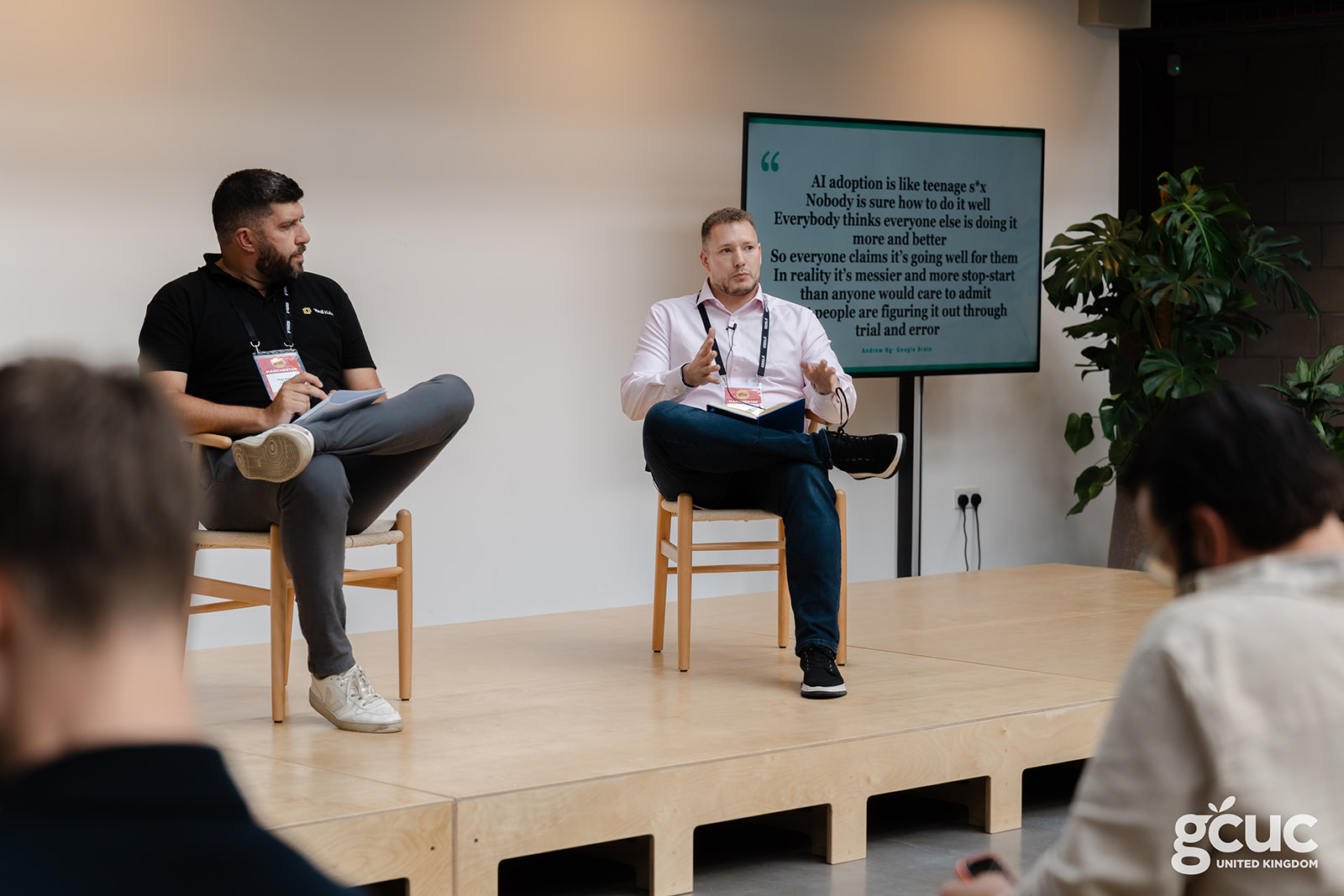
Yardi’s Paul Rowe and Christopher Cole closed the main stage with a straightforward argument about AI: it only works for flex operators when the data underneath it is clean and centralised. The trap they see most often is operators running fifteen or more systems that do not talk to each other, then wondering why the AI underwhelms. Their advice was to start with the business problem, churn, occupancy, finance admin, reporting, then sort the data, then choose the tool. The encouraging part for the room: the market has not settled, and the winners will be the operators who organise their data, not the ones with the biggest budgets.
Property is just property
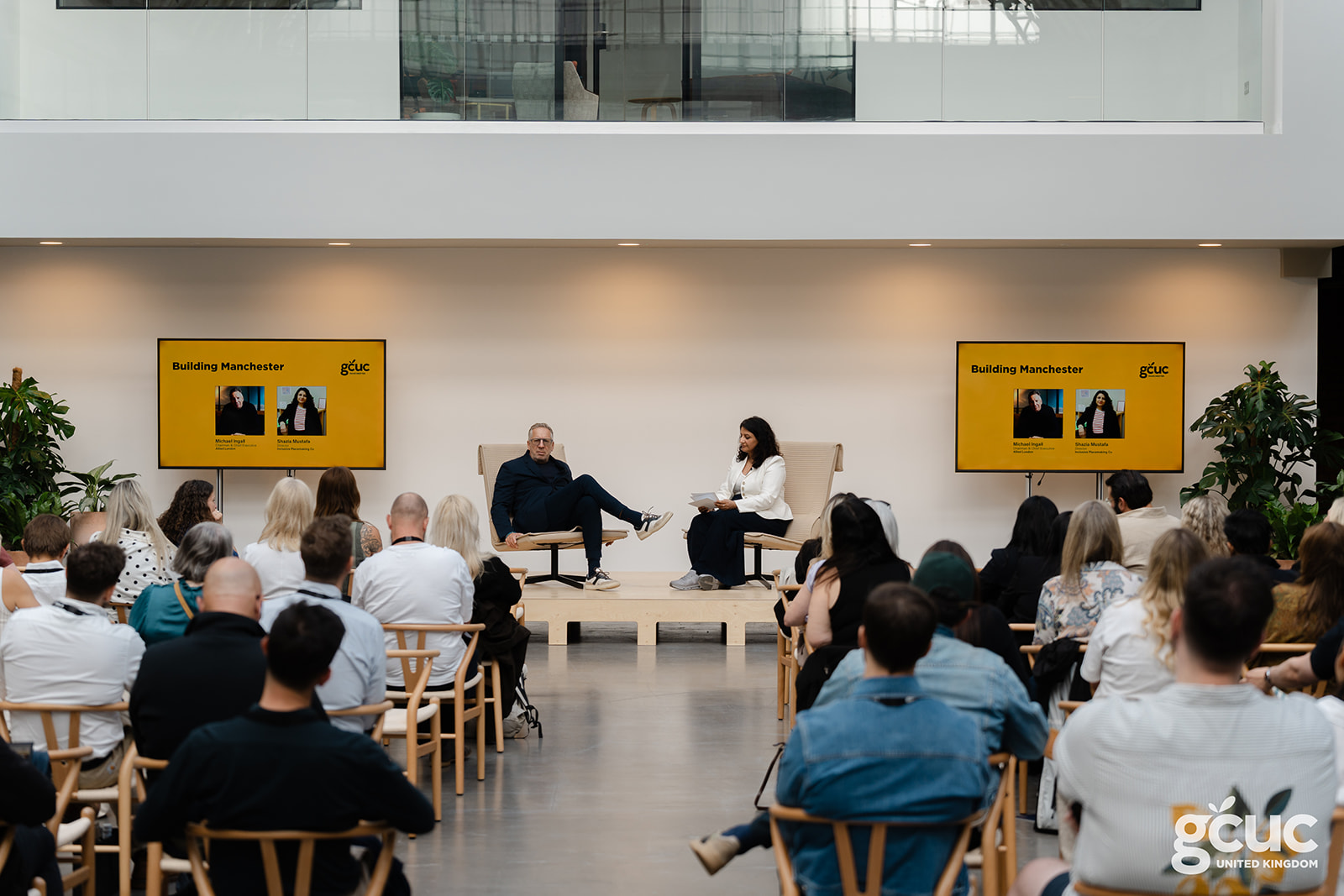
The day closed where it should have, with a conversation about the city itself. Shazia Mustafa of Inclusive Placemaking Co drew out Michael Ingall, Allied London, the developer behind Spinningfields, St John’s and the Campfield campus we were sitting in. Ingall’s argument was that global cities are polarising around large AI employers, and the regions will have to work harder for their place, not by copying London, but by building for the employers actually here and getting the public spaces around buildings right. He pointed to Medellín, where activating the space around a ring of neighbourhood libraries did more for the city than the buildings themselves.
The line that stuck, and the right note to end on: property is just property. Employment and health are what make a city.
And then the rest of it
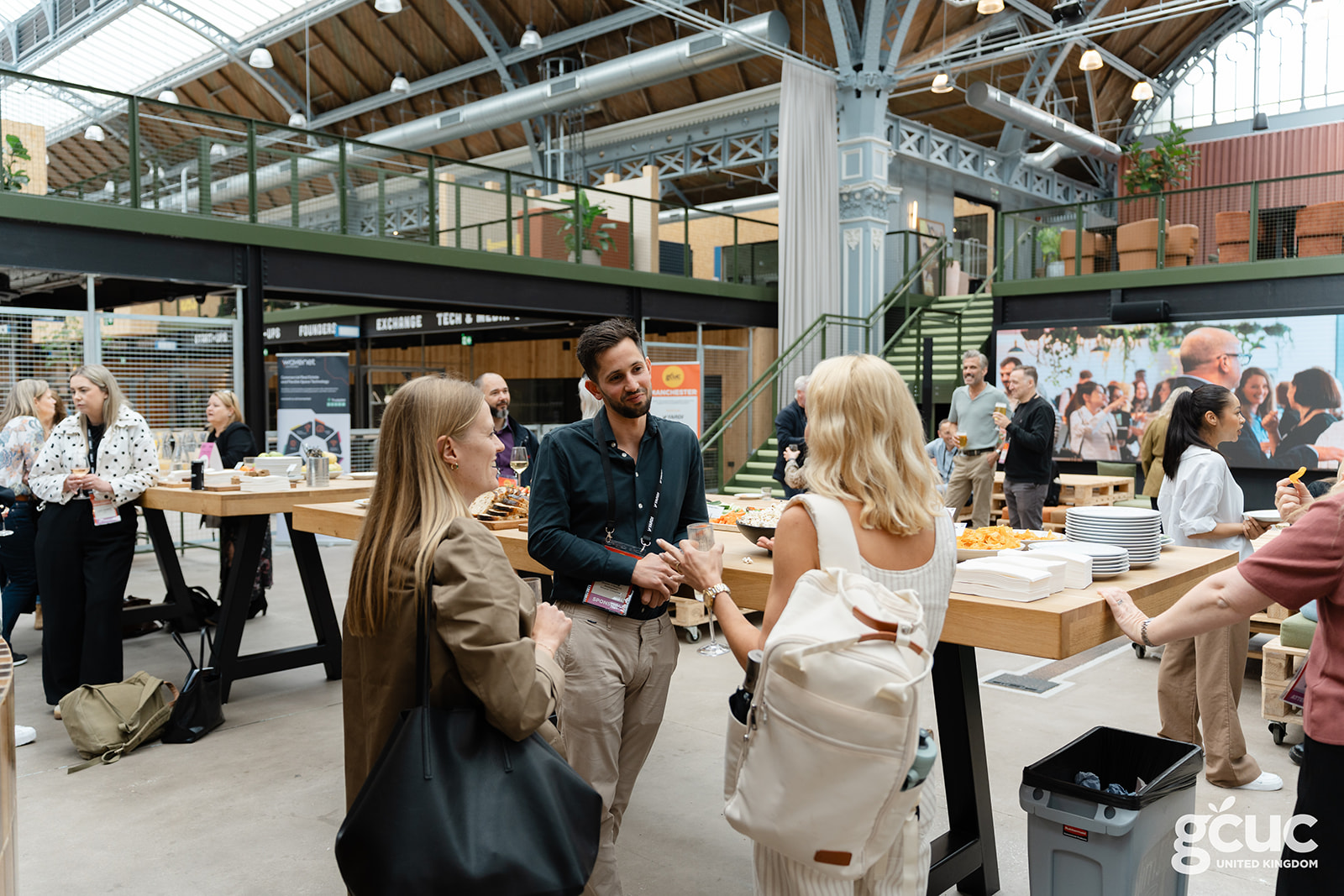
The sessions are only half of GCUC. The rest happened over coffee, at the drinks reception in Lower Campfield, and up at The Dome for the after party hosted by technologywithin. Day two took everyone out of the conference room and into Manchester’s coworking spaces on the tours. If there was one theme running through all of it, it was the one Manchester keeps making for itself: the connections you make here tend to go somewhere.

Thanks to our speakers, our sponsors and everyone who came. Manchester, we will be back.
London, you are next, 8 to 9 October at TOGETHER.