
GCUC UK Blog
Proving what belonging is worth: coworking community metrics
- GCUC Manchester
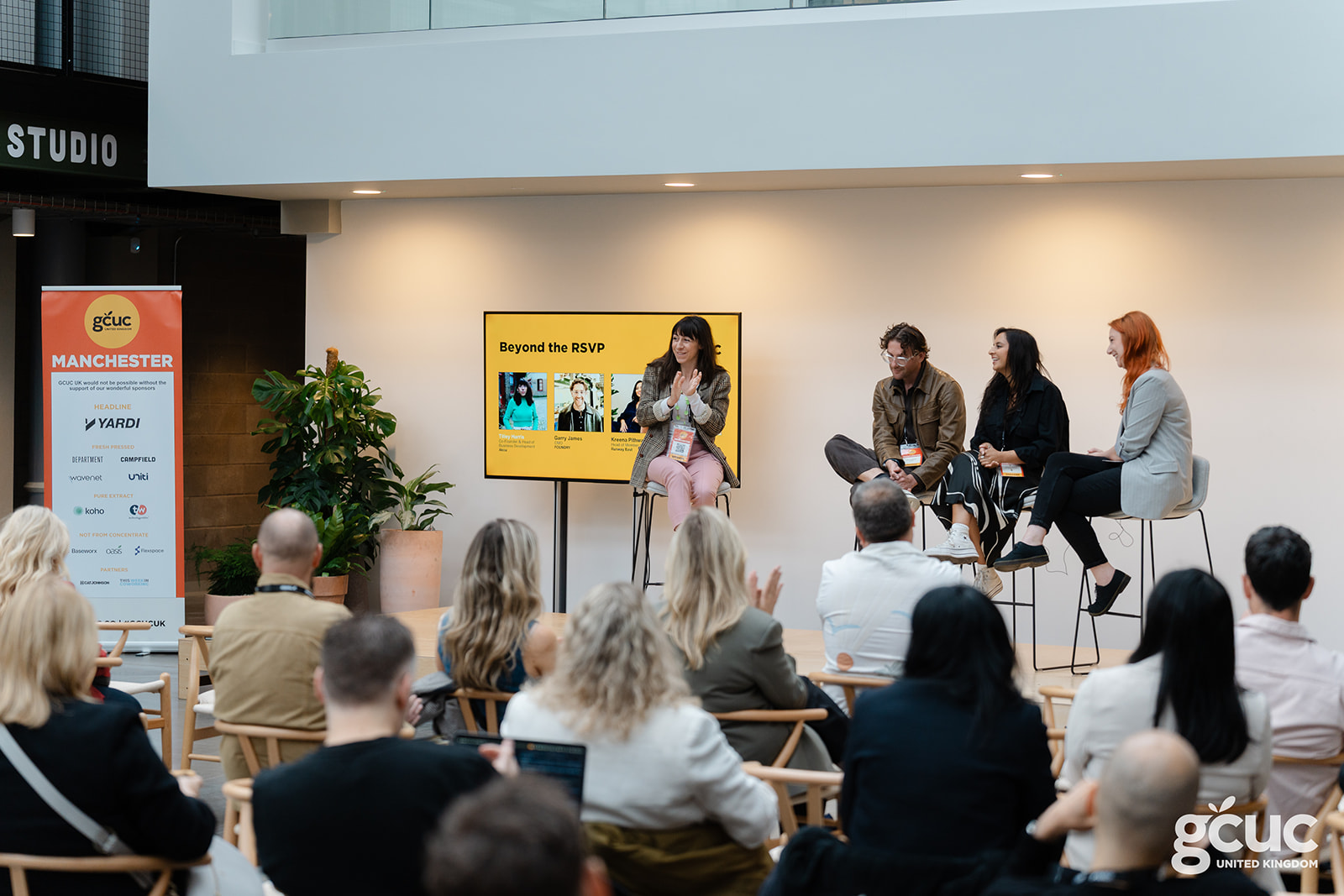
Every coworking brand says it sells community. Very few can tell you what that community is actually worth, or how to measure coworking community metrics. Beyond the RSVP, a panel chaired by Tilley Harris of Akou, set out to close that gap. The discussion was refreshingly honest about the fact that the flex space sector has not completely solved the measurement problem just yet.
The trouble starts with the word itself. Garry James of FOUNDRY, who entered the flex industry from the entertainment sector, admitted as much during the session:
“I didn’t come from the industry. I was like, I don’t know what community is, but it sounds cool. So we had to define it.”
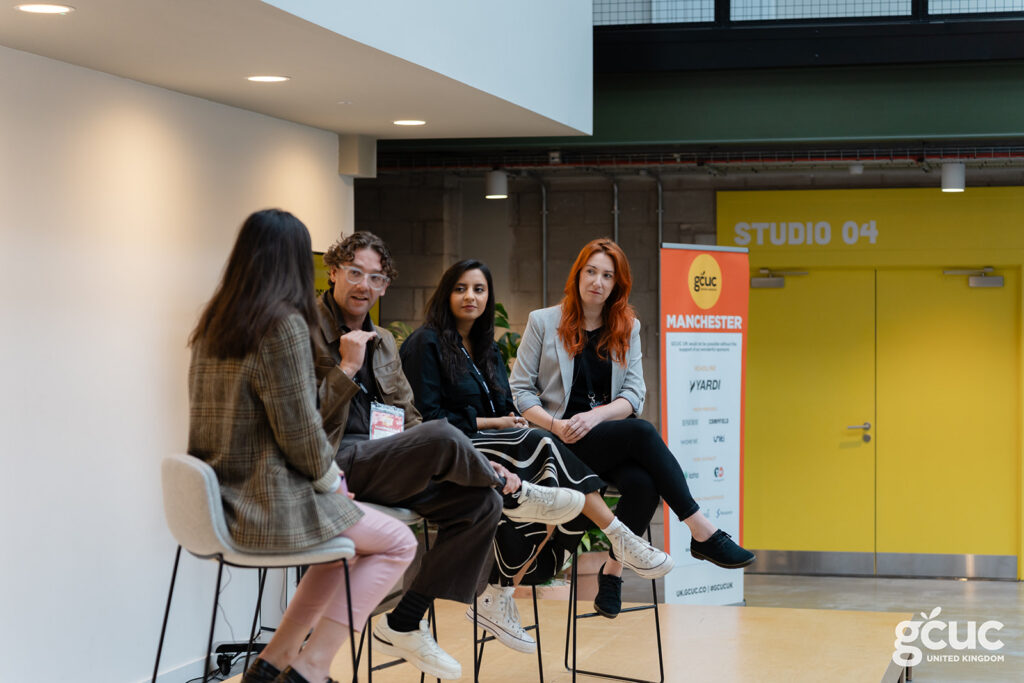
The soft variables, he explained, are always the hardest elements to measure. It is the small daily touchpoints, such as offering to grab someone a coffee or noticing when a regular member is having a difficult week, that define the experience. On the flip side, the metrics that actually show up clearly on a spreadsheet are retention, churn, and members actively doing business with each other. Emma Harvey from Bruntwood SciTech and Kreena Pithwa of Runway East both agreed that genuine human connection rarely shows up on a traditional dashboard. Instead, it shows up in day-to-day conversation.
The panel was entirely united on one tool they do not rate: Net Promoter Scores.
“NPS is so vague. We do it to tick a box because investors want it, but it shouldn’t be taken as the gold standard.”
The core complaint from the panel is that asking whether someone would recommend a space to a friend has very little to do with whether they actually feel like they belong, or whether their business has experienced tangible growth from being inside the building. To counter this, Runway East is currently developing a refined sentiment measure. This tool separates how a member’s broader team feels from how the primary decision-maker feels, recognising the insight that the two viewpoints often diverge and an operator needs both sides on board to secure a renewal.
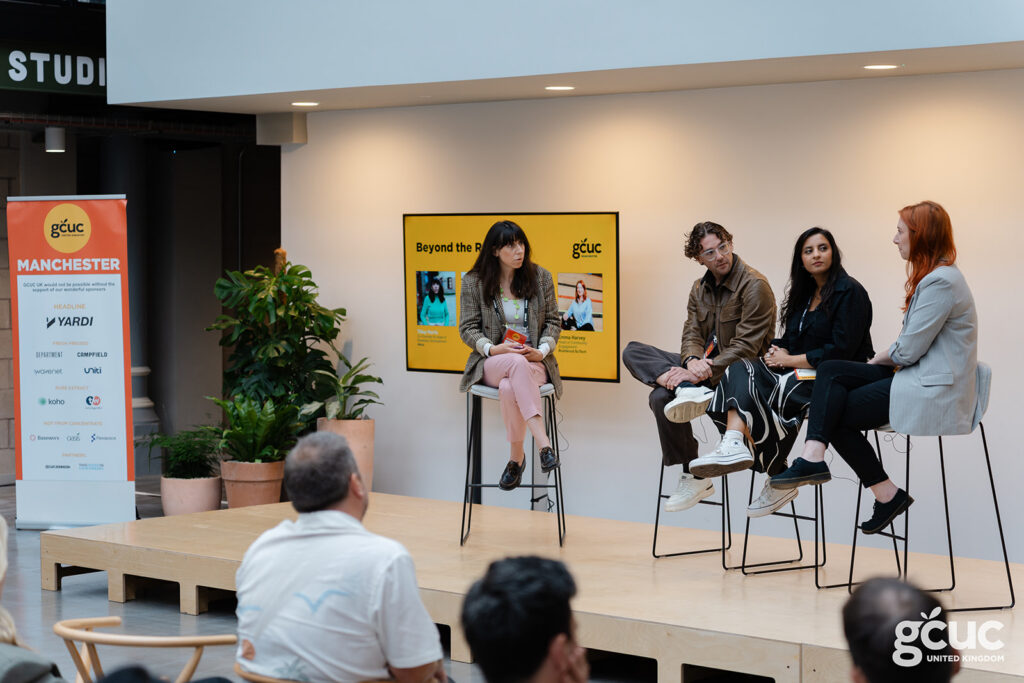
Kreena shared the foundational service ethos that sits beneath all of this measurement:
“Care like part of the family, perform like part of the business. People want to feel recognised, like they’re part of something.”
Where this conversation becomes acutely commercial is the budget room, and here the panel was incredibly sharp. The key for operators is to stop framing community initiatives purely as an overhead expense.
Much of that retention value, all three panelists agreed, comes from supporting local suppliers and maintaining high qualitative standards. It is choosing the freshly baked local croissant over a generic supermarket catering tray, selecting a regional craft beer over the cheap house lager, or providing a hyper-local partner discount card instead of another free brunch that nobody remembers. The gestures that land are small, specific, and genuine. A handwritten welcome note, a remembered drink order, or finding a case of a member’s favourite drink waiting in the fridge on move-in day are what move the needle.

This brings the conversation to its sharpest edge: the line between hospitality and strategic manipulation. Asked whether community engagement data gets utilised during renewal periods, the panel was open about the fact that it does. However, it is used as qualitative insight to strengthen conversations rather than to artificially engineer them.
During the session, GCUC UK Manchester’s MC James Panepinto asked the panel a question about weaponising community, sparking debate that wound its way through conversations across the event and in the subsequent days:
“Community becomes powerful when it creates a cost to exit that is not written into the licence agreement. Not a penalty. Not a trap. Not a cynical retention hack. A genuine emotional and practical cost.”
He’s also written a great piece about it if you want to join in the conversation too.
Tilley Harris delivered the closing word of the session, and it is a piece of advice the industry should hold onto tightly:
“Members are human beings. There’s a psychology to it, and they can pick up when things aren’t genuine.”
The ultimate through-line from Manchester is clear: if the flex industry truly believes that community drives business performance, it should be entirely willing to measure coworking community metrics like it means it, while remaining honest enough to admit where it is still falling short.