GCUC UK Blog
The Generous Operator: Balancing financial rigour with genuine hospitality
- GCUC Manchester
- Industry
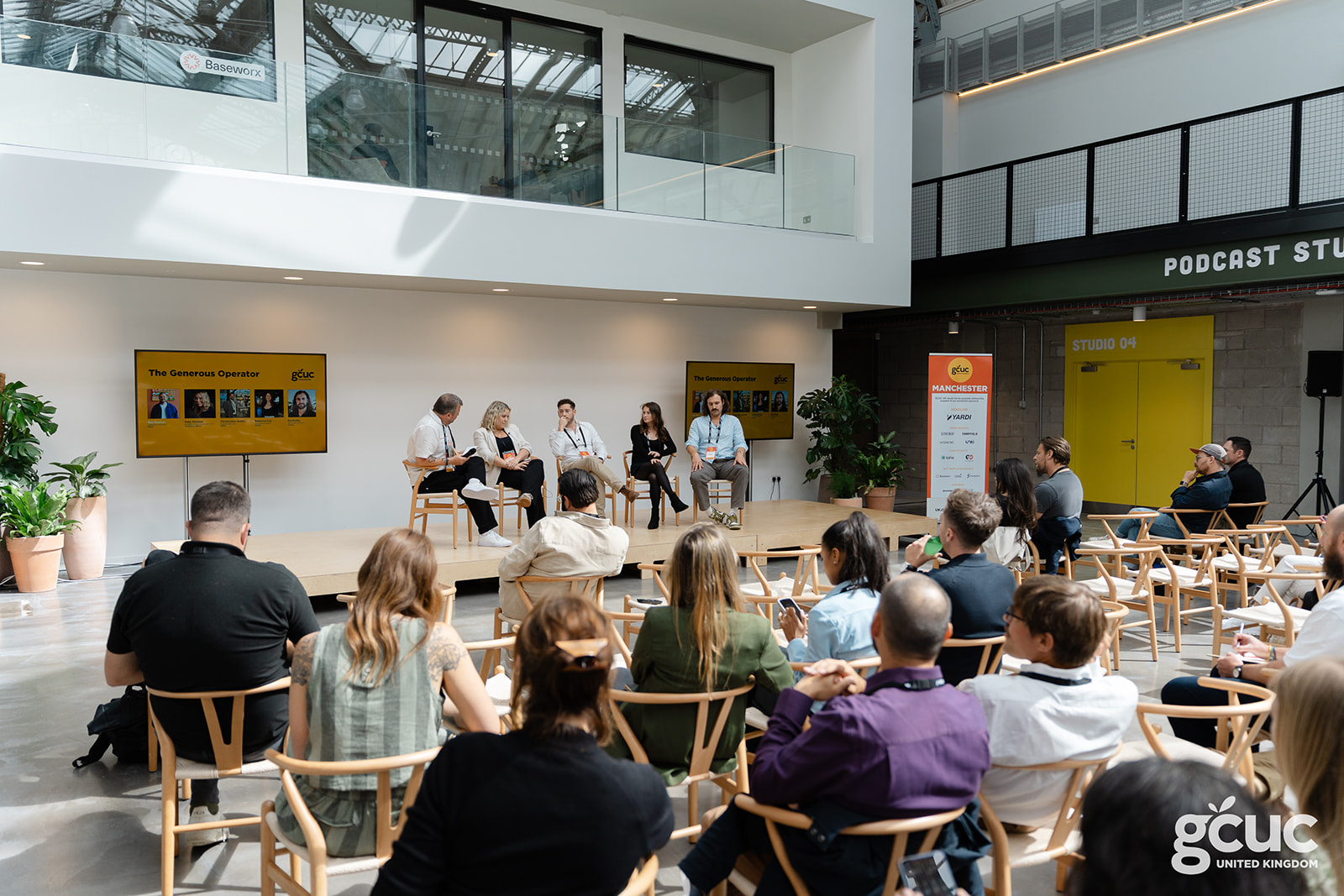
At GCUC UK Manchester, The Generous Operator session had a deceptively simple premise: you have to earn the right to be generous. It was about understanding the commercial work that creates the headroom for the gestures that matter, whether that’s for your members, your team, or your wider community. So what does it look like when financial rigour and hospitality in coworking stop being in tension?
With Ed Hobbs of x+why, Katy Tennant of Clockwise, Christopher Griffin of KOBA, Rebecca Cox of Colony, the session was designed to feature speakers from across the sector bringing different angles to the same question. And it left us with takeaways that we are still talking about weeks after the event.
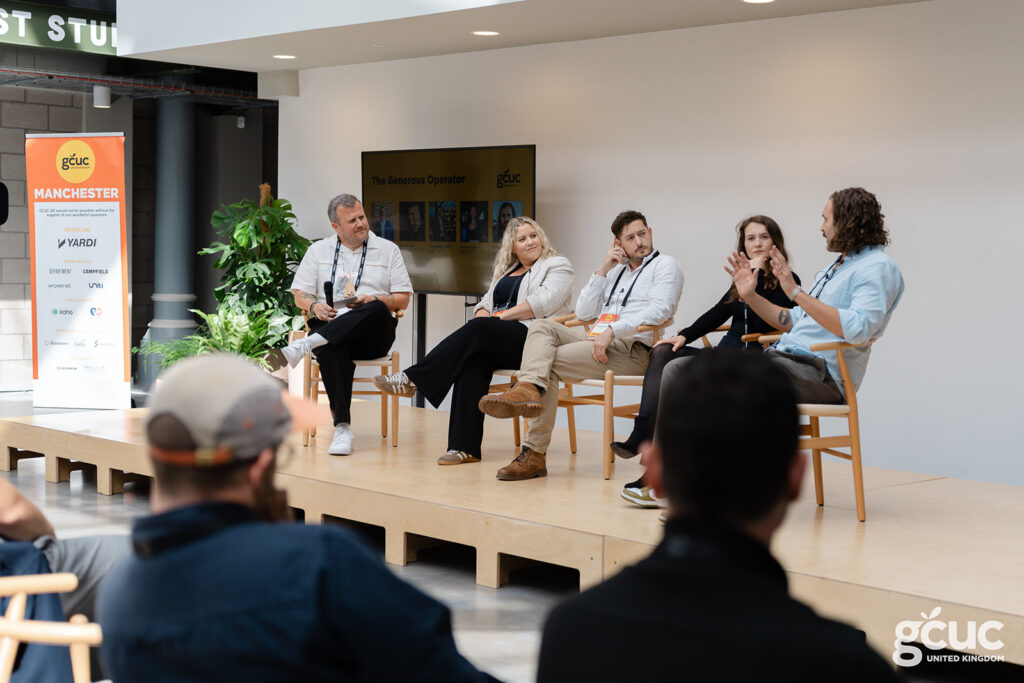
Balancing the ideological coworking space with the day-to-day realities that operators face can prove a difficult task. Understanding when and how to provide generosity is what differentiates the spaces that thrive.
The financial case for genuine hospitality in coworking
Chaired off the back of Ben Newton‘s OpenOps costs workshop, and framed throughout by Will Guidara’s book Unreasonable Hospitality, the session made the case that discipline on the unglamorous ninety-five per cent of operations is what funds the memorable five per cent. Every pound saved on a supplier is a pound that can go back to a member. The danger, the panel agreed, is cutting too deep. Hobbs put it plainly.
“You lose the soul. Strip the people element out and it stops being a destination and becomes just the space.”
The counter-intuitive part is that overstaffing does the same damage, smothering the atmosphere just as surely as understaffing strips it. The skill is removing friction so front-of-house teams are with members rather than buried in the back office, and not asking one person to be everything.
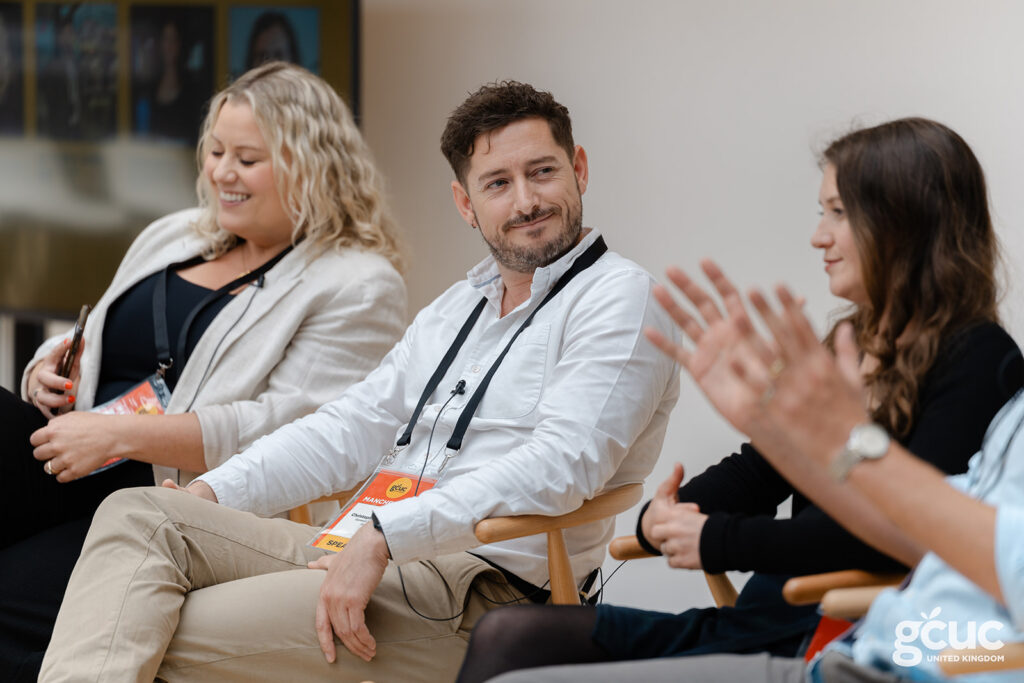
Tennant, who came to flex from hotels, reframed the whole tension between rigour and warmth. Hospitality, she argued, has spent decades engineering special moments:
“Generosity isn’t the opposite of operational discipline. Generosity is what happens when you deliver operational discipline.”
In our pre-Manchester interview, our MC James Panepinto said as much too. And when Newton sat down with Liz Elam on the GCUC Podcast earlier this year for a conversation about what coworking can learn from hospitality, the takeaways were the same.
A difference members notice
And at GCUC UK Manchester, Tennant rightly pointed out that when it comes to special moments, the difference between hospitality and flex is the length of the relationship: members stay for years, so they notice quickly whether the generosity is genuine or a gimmick.
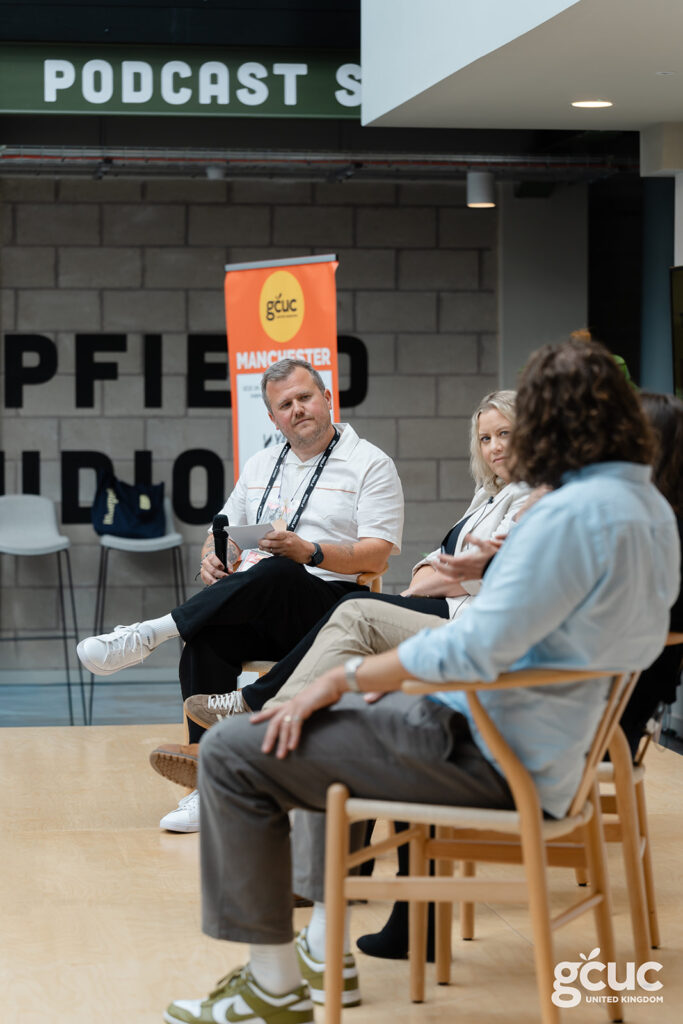
Nobody could draw the line between generous and reckless with any precision, which was itself the honest answer. In reality, the way this is defined depends who you ask. If you ask finance, it’s over here. If you ask community teams, it’s over there.
It’s a conversation that the sector will continue to have, but the consensus amongst the speakers was that proactive hospitality is cheaper than reactive firefighting. Members notice generosity most when it answers their feedback, not when it’s just a free bagel on a Thursday.
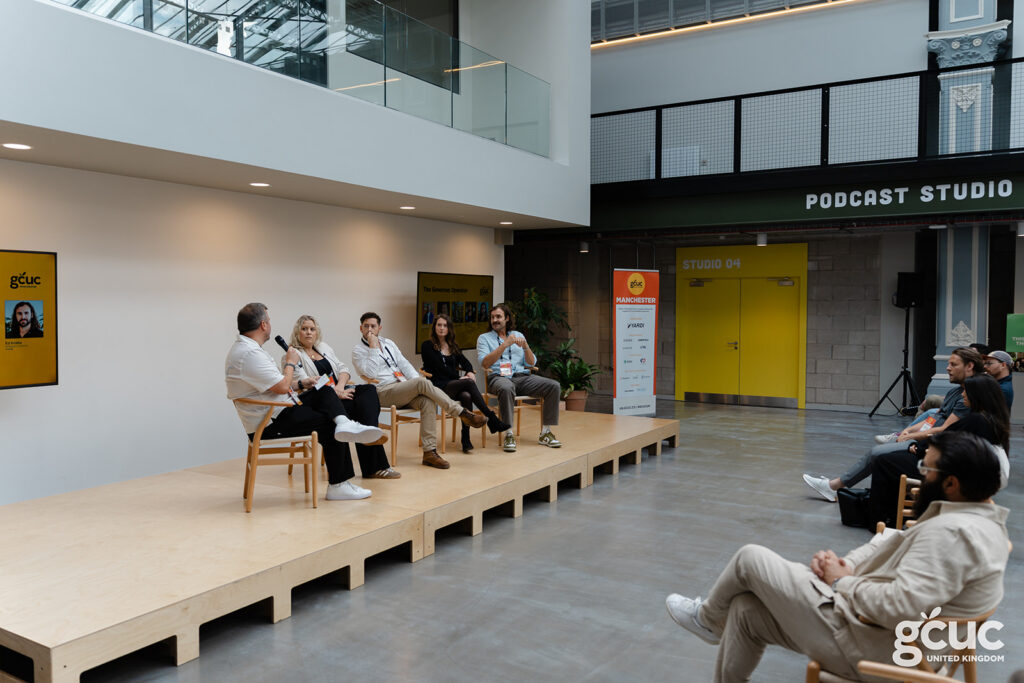
The examples bore that out: a costly weekly brunch paused and the money redirected into curated events and a local-partner discount card; paid brand content replaced by an internal podcast members pitch for themselves. Understanding what your members want and need – and delivering that effectively – doesn’t always have to mean a negative impact on your bottom line.
The smallest gestures carried the most weight, and the line that summed up the session was about exactly that: your member won’t remember the class or the pizza. They’ll remember how you made them feel.
The through-line: being genuine costs very little. The discipline is what buys you the room to do it.